 Kohn & Yager Home









Georgia DUI Laws: Our Lawyers in Georgia Write the DUI Book
If you face criminal charges in the State of Georgia, especially for a motor vehicle crime like driving under the influence, don't let all of the hype posted on most Atlanta criminal defense lawyer websites. Because your driver's license and your LIFETIME criminal history are at stake in driving under the influence cases, why not call the firm where the law partners WRITE the leading Georgia DUI law book?
Also, with an explosion of online directories and websites, many Web surfers cannot separate out the legitimate attorney ratings services from the "pay to be listed" no-value websites. Our law firm attorneys make certain that we are not lured into "enabling" these directories to benefit by listing us.

When most people need to select a surgeon or oncologist for life-threatening medical help, they do massive research. However, they do not apply the same level of scrutiny when choosing a criminal defense lawyer.
Similarly, by not hiring a skilled domestic violence lawyer near me for a simple battery or simple assault case can result in very harsh consequences, like potentially losing your gun rights, or being told to have no physical contact with your children. These kinds of consequences justify vetting your Atlanta criminal lawyer before deciding what law firm to retain.
Read this page (by DUI lawyer Atlanta William Head, attorney) about the 97 Consequences of a DUI Conviction. Also, stop reading long enough to watch this DUI arrest video to learn from the master what to DO, and NOT DO when confronted by police at a roadside traffic stop. It has been viewed over 300,000 times.
This article by our DUI attorneys in Atlanta explains the importance of choosing a good lawyer for your DUI case. Our three attorneys in Atlanta are well-known in Georgia and can help clients all over the State with their criminal defense. Mr. Head’s first DUI book, 101 Ways to Avoid a Drunk Driving Conviction, published in 1991, is still getting rave reviews.
Who are the Georgia Attorneys at GeorgiaCriminalDefense.com?
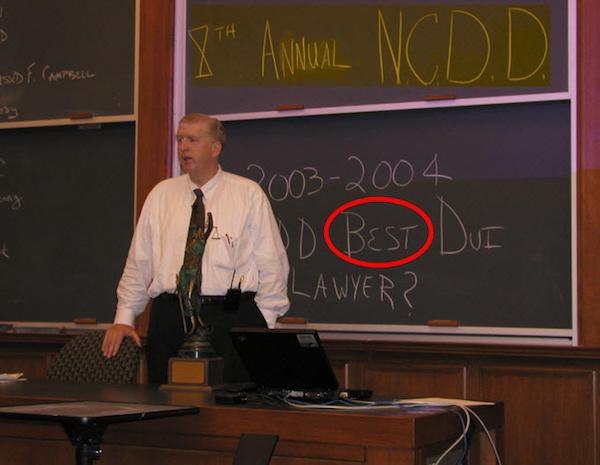
William Head, a DUI lawyer in GA, has been an attorney since 1976. His team of attorneys in Atlanta with office locations in Fulton County and Cobb County, are well-known for their success in DUI cases across the State of Georgia. In addition. Mr. Head was voted as the best DUI lawyer in America in 2003 by the 800+ members of the National College for DUI Defense.
The Board-Certified DUI attorney has also been named Atlanta's top DUI defense lawyer by Best Lawyers on four occasions. No other DUI attorneys near me have garnered more recognition for excellence than our three law partners.
In addition, beyond traffic attorneys near me, the same reputation for excellence for criminal defense extends to being a top domestic violence attorney near me, defending charges of aggravated assault Georgia, disorderly conduct lawyer, BUI lawyers, expungement attorneys, shoplifting attorney, drug offense lawyer or being your solicitation of prostitution legal advocate.
Firms specializing in criminal law near me --- and NOTHING ELSE --- are rare. Most make their big money on personal injury cases, divorce, real estate, or worker's compensation. Our team isolates the legal practice to being traffic court lawyers, drug charges lawyers, an aggravated assault lawyer, sex crime attorneys, and helping clear prior convictions off a person's criminal history in Georgia, when eligible.
Many callers are stressed from being incarcerated or the cost of hiring a good criminal attorney. Virtually all clients in criminal defense cases require legal fee payment arrangements to afford the services of a leading law advocate. This is equally true for finding a drunk driving lawyer near me, or a domestic violence lawyer to help secure a positive result (like a nolle prosequi) in their DV case.

Which Georgia Lawyers are the Best Criminal Attorneys near me?
A common practice for those accused (or their loved ones) is to investigate top criminal law firms for the best criminal defense attorney near me, from an online search. Since so many online pages claim to be the best criminal attorney near me, it is difficult to separate the true top rated criminal attorneys.
Different organizations conduct a variety of annual attorney ratings checks and obtain peer-reviewed assessment of the top legal professionals in criminal defense. Our three law firm members are top-rated on all these reputable lawyer ratings sites:
- Best Law Firms in America
- Best Lawyers in America and
- Martindale 5.0 Rated Preeminent Attorneys

When it comes to Super Lawyers (SL), that service originally was very selective 20 years ago, but it has been bought out by a national legal marketing group and (over time) had its "ratings" value diluted by permitting some questionable quality lawyers be listed. Our lawyers’ ratings with SL started in 2004 and we now have over 33 annual recognitions (among our three partners), though.
However, our law group does not get into the practice of "buying a badge" from the bogus "pay-to-be-listed" companies. This occurs from being "sold" that right to add your name by the dozens of questionable companies that do little or no investigation to find the consensus top performers of all criminal lawyers in Georgia.

Three Criminal Defense Lawyers with Over 89 Combined Years of Criminal Law Firm Excellence
Our Atlanta Georgia lawyers at Georgia Criminal Defense are all ranked by Super Lawyers. Since 2009, our law firm has been named by U.S. News & World Report’s Best Law Firms in America every year.
When it comes to Atlanta DUI lawyer ratings, William Head has received multiple "lawyer of the year" accolades, plus is the only DUI attorney in the United States to ever be voted as the nation's top DUI defense attorney by the National College for DUI Defense.
This repeated inclusions as top criminal lawyers matches or exceeds any lawyers in Atlanta GA who handle the same types of criminal cases as our metro Atlanta-based law group. Our firm also was included for 2024, by the way! Our three lawyers in Atlanta have garnered over 33 Super Lawyers’ recognitions.

Is Drunk Driving a Felony?
Usually not. About 6% of all DUI arrests each year will be a 4th DUI in 10 years or be associated with a DUI fatality or DUI-related serious injury by vehicle. These felony DUI charges can be a life-changing event, and such cases will justify pulling out all the stops to find the best outcome by retaining a top Georgia DUI attorney.
But, in the Peach State, even a conviction for a first offence DUI can lead to driver's license suspension, with 120 days to one year before your license can be regained, jail time, having to install an ignition interlock device. Repeat offenders can face 15 days to 12 months in jail, have their vehicles' license plates confiscated, and have no limited driving permit for between 120 days (2nd DUI in GA) and 18 months (3rd DUI), and paying reinstatement fees.
Our partners in Georgia travel across the state to help clients facing serious felony charges. In addition to defense of those accused of driving while impaired, our law team defends against violent crimes like battery, domestic violence by aggravated assault. Other indicted violent offenses our litigation attorneys defend against include voluntary manslaughter, murder, battery, or aggravated assault.

Our law group has a criminal defense lawyer near me in every corner of Georgia to defend felony drug trafficking, possession, or drug manufacturing crimes. Both Cory Yager, a former law enforcement officer turned criminal defender, and senior partner Bubba Head regularly travel to all corners of the Peach State to defend felony or misdemeanor cases.
Partner and sex crimes attorney Larry Kohn has vast experience defending sex crimes. This can include felony crimes like aggravated sodomy, child molestation or prostitution. In light of the damage that can come from the sex offender registry GA, you positively must fight to find a better solution than a guilty plea.
Hire a Criminal Attorney Atlanta Georgia to Aggressively Protect Your Legal Rights
Hiring a Georgia attorney with good ratings and credentials is crucial to have your best chance at resolving pending charges. Some kinds of charges, like a drug case, assault and battery can alter your employment path and cause financial collapse if you are convicted.
Only attorneys have an attorney-client relationship that "keeps secret" everything you tell us. That means that a criminal defense lawyer can hear all the facts of your case from you and must keep 100% of that information confidential. This protective rule also applies to your initial, FREE lawyer consultation with our law partners.
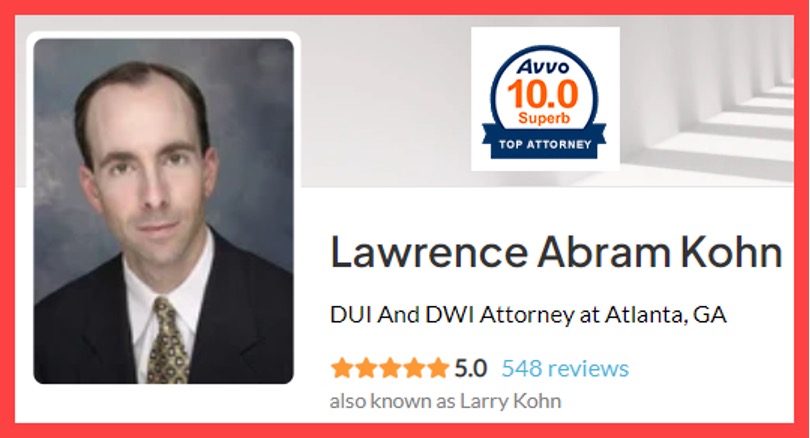
Our GA lawyers, Cory Yager (an ex-cop), AVVO superstar Larry Kohn, and 47 year veteran Atlanta DUI attorney William Head all fit the bill. Mr. Kohn has been with Mr. Head since his 2nd year at law school in June of 1996, and has written hundreds of DUI motions and many appeals for Mr. Head's DUI cases.
Each of our partners is a top-rated criminal defense attorney and a national, legal book co-author. Call today for the FREE consultation at 404-567-5515. Also, ask about payment plans, which most clients need for this unexpected legal problem.
Our criminal case lawyers can quickly reach over 350 different criminal courts in Georgia within 90 minutes. Below are some links to other pages within this website that you may want to read.
Our Legal Expertise Has Been Featured on Worldwide News Stations:


Contact Us
- 1 Free Consultation
- 2 Available 24/7
- 3 Decades of Experience
Fill out the contact form or call us at (404) 567-5515 to schedule your free consultation.


5600 Roswell Rd Building H Ste 200
Sandy Springs, GA 30342 109 Anderson St SE #103
Marietta, GA 30060 33 S Main St #302
Alpharetta, GA 30009 235 Peachtree St NE #400
Atlanta, GA 30303 This site is protected by reCAPTCHA and the Google Privacy Policy and Terms of Service apply.
Please do not include any confidential or sensitive information in a contact form, text message, or voicemail. The contact form sends information by non-encrypted email, which is not secure. Submitting a contact form, sending a text message, making a phone call, or leaving a voicemail does not create an attorney-client relationship.