TOP-RATED
Atlanta Criminal Defense
Law Firm
Atlanta Criminal Defense
Law Firm





An ALS hearing in Georgia is a civil, administrative proceeding. A driver uses it to contest the suspension of driving privileges after a DUI arrest. ALS stands for Administrative License Suspension. The hearing stays separate from the criminal DUI case. It decides only whether the state may suspend your license.
These hearings are held before the Georgia Office of State Administrative Hearings, known as OSAH. They are not held in the court that handles the DUI charge. Georgia law uses the term DUI, short for driving under the influence.
The process starts at the roadside. After a DUI arrest, the officer reads the implied consent notice. The officer then requests a breath, blood, or urine test. If the driver refuses, the officer generally takes the physical license. The officer also takes the license if a test result comes back at or above the legal limit. The officer then issues a form commonly known as the DS-1205. The form serves as a temporary driving permit and as notice of the pending suspension.
Georgia's implied consent rules appear in the state code. The administrative suspension and hearing procedure appears in the state code as well. Facts vary by arrest. In most cases, what the officer said, and when he said it, matters as much as the test result.
The most important date in your case may be 30 days from your arrest. A driver generally has 30 calendar days from the date of the implied consent notice to act. Miss that window, and the suspension typically takes effect automatically. No hearing follows, and no second chance exists to argue the point.
Weekends and holidays do not extend the count. Day 30 is day 30 even when it falls on a Sunday. Acting early also gives an attorney time to request video, review paperwork, and identify grounds for appeal.
Georgia law gives most drivers two paths inside that window. A driver may choose only one. A driver may appeal the suspension and request a hearing. Or the driver may elect an ignition interlock device limited permit. The election and appeal framework appears in the same statute. Filing fees and forms change over time. Drivers should confirm the current amount with the Department of Driver Services before filing. They should also confirm the correct submission method.
To appeal, the driver submits a written hearing request to the Department of Driver Services within the 30-day window. The request must include the required filing fee. The request must also identify the grounds for the appeal. That wording deserves care.
DDS then forwards the matter to OSAH. OSAH schedules the hearing and mails notice of the date, time, and location. Filing the request generally stays the suspension until the hearing takes place. So most drivers keep driving in the meantime, subject to the terms of the temporary permit.
A hearing date depends on the county and OSAH's calendar. It may land within a few weeks or take several months.
The second path skips the appeal. An eligible driver may instead elect an ignition interlock device limited permit within the same 30-day window. That permit allows restricted driving for approved purposes. Approved purposes include work, school, medical appointments, and required treatment. An interlock device stays installed and monitored during that time.
Electing the interlock permit generally waives the right to an ALS hearing. You give up the chance to have the suspension overturned entirely. But you avoid a hard suspension with no driving at all.
Eligibility is limited. The option is generally closed to commercial license holders and to drivers with certain prior DUI history. Costs include installation, monthly monitoring, and permit fees. Georgia's limited permit rules appear in a separate code section. The interlock permit rules appear in a related section. Eligibility may apply depending on the facts of the arrest and your record. Drivers should confirm current rules with DDS.
An administrative law judge from OSAH presides over the hearing. These proceedings are usually short. Many run under an hour.
The arresting officer must appear and testify. Your attorney can cross-examine that officer and present evidence. The burden rests on the State to show the statutory grounds for the suspension. The standard of proof is lower than the beyond-a-reasonable-doubt standard used at a criminal trial.
Hearings are often held at or near the county where the arrest happened. If the officer fails to appear, the judge may dismiss the case and lift the suspension.
The judge generally considers four issues. Did the officer have reasonable grounds to believe the driver was driving under the influence? Was the arrest lawful? Was the implied consent notice read timely and in the correct statutory language? Did the driver refuse testing? Or did the driver submit to a test showing a result at or above the legal limit?
The judge is not deciding guilt on the DUI charge. That question belongs to the criminal court. The judge decides only whether the law supports the suspension.
Timing and wording defects in the implied consent reading are among the most litigated issues in these hearings. The notice has required statutory language. Timing matters too.
Preparation starts with paperwork: the DS-1205, the citation, the arrest report, and any test result or refusal records.
Video comes next. Body camera and dash camera footage often shows what a written report leaves out. Counsel also reviews the officer's certification. Counsel also reviews the calibration and inspection records for the breath testing instrument.
Differences between the report and the recorded stop can matter a great deal. In our experience handling ALS appeals in Georgia, the video of the roadside stop often decides the outcome.
Many ALS hearings resolve through negotiation with the officer or the State before testimony begins. Outcomes still depend on the facts of each case.
Several results are possible. First, the administrative law judge may sustain the suspension. The suspension then takes effect. Its length depends on whether the case involved a refusal or a test result. It also depends on prior history.
Second, the judge may overturn or rescind the suspension. Full driving privileges are then restored, subject to any other hold on the license.
Third, the officer may fail to appear. The case may then be dismissed.
Fourth, the matter may resolve by agreement. A common resolution is a negotiated withdrawal of the administrative suspension. In exchange, the driver accepts a plea or another agreement in the criminal DUI case. Parties sometimes document that resolution in a consent order.
If a suspension takes effect, reinstatement requires more than waiting out the clock. Drivers generally pay a reinstatement fee. Where required, drivers also complete a DUI Alcohol or Drug Use Risk Reduction Program, often called DUI school. Requirements and fees change. Drivers should confirm current steps with the Department of Driver Services. No lawyer can promise a particular result.

The administrative case and the criminal case run on separate tracks. They carry separate deadlines, separate forums, and separate consequences. They also interact in ways that matter.
The hearing gives the defense an early, sworn preview of the officer's testimony. If that account later shifts at a motion hearing or trial, the shift matters. The earlier testimony can then support impeachment in the criminal case.
The two results do not control each other. A dismissed or withdrawn administrative suspension does not dismiss the DUI charge. A sustained suspension is not proof of guilt.
Georgia appellate decisions have also shaped how courts treat breath testing and test refusals in criminal DUI cases. Olevik v. State and Elliott v. State are two Georgia Supreme Court decisions. They address the state constitutional protection against compelled self-incrimination in the breath test setting. How those decisions apply depends on the charge, the facts, and the evidence. This article is general information, not legal advice.
The 30-day window is short. Missing it is the most common way Georgia drivers lose a license without ever getting a hearing. If police arrested you for DUI and handed you a DS-1205, the clock is already running.
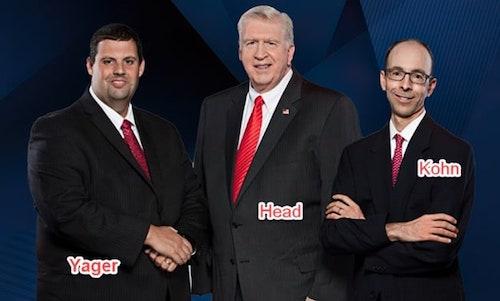
Kohn & Yager LLC defends DUI charges in Georgia courts, including in Lumpkin County. The firm also handles administrative license matters before OSAH and the Department of Driver Services. Our attorneys work to protect your driving privileges and pursue every available defense.
A free consultation is available. Bringing the DS-1205 form or temporary permit, the citation, and any other paperwork received at the arrest can help. An initial review looks at three things. It considers whether to request the ALS hearing or elect the ignition interlock limited permit. It considers what evidence to request. It considers what the deadline means for your situation.
Every case is different. Results depend on the specific facts. Past results do not guarantee a similar outcome.

You generally have 30 calendar days from the date of the implied consent notice at your arrest. The written request goes to the Department of Driver Services with the required fee. Weekends and holidays do not extend the deadline. A Georgia DUI attorney can confirm the exact deadline right away.
Missing the deadline usually means the suspension takes effect automatically. No hearing follows. You lose the chance to challenge the stop, the arrest, or the implied consent reading. Limited permit or reinstatement options may still exist depending on your record. An attorney can review what remains available.
In most cases, a driver may keep driving while the ALS appeal is pending. A timely hearing request generally stays the suspension until OSAH holds the hearing. As a result, the temporary permit remains valid. A separate suspension or an out-of-state hold can change that. A Georgia DUI attorney can confirm driving status before the driver gets back on the road.
No, winning an ALS hearing does not get a Georgia DUI charge dismissed. The two cases stand separate. An ALS decision addresses driving privileges only, not guilt or innocence on the DUI charge. A favorable administrative result can still help, because it may expose weaknesses in the State's evidence. A defense attorney can address both cases together.
Georgia law does not require one. These hearings involve cross-examining a police officer. They also involve litigating narrow statutory issues under a strict deadline. The result can affect your criminal DUI case. A Georgia DUI attorney can advise on the specific facts of a case.