TOP-RATED
Atlanta Criminal Defense
Law Firm
Atlanta Criminal Defense
Law Firm





Gun possession charges arise when a person carries, receives, or transports a firearm in violation of Georgia law. Georgia gun laws make this a permitless carry state, but not everyone may lawfully possess a firearm. Carrying in the wrong place, or at the wrong time, can still lead to serious criminal charges.
Georgia law governs firearm carrying through lawful weapons carrier eligibility. That statute makes it an offense to carry a weapon unless you are a lawful weapons carrier. Georgia does not require a license to carry a handgun. Any person who is eligible for a weapons carry license and not otherwise prohibited from possessing a weapon may carry one openly or concealed. But possession of a firearm by a convicted felon makes it a felony for convicted felons and felony first offender probationers to receive, possess, or transport a firearm.
The line between legal and illegal possession is thinner than most people think. A prior felony can turn lawful ownership into a crime. So can a federal gun ban. So can walking into a courthouse with a handgun. Knowing where that line falls matters to anyone charged with a gun crime in Georgia.
Firearm charges in Georgia range from misdemeanors to serious felonies with mandatory prison time. Each one has its own elements the state must prove beyond a reasonable doubt. Below are the firearm charges our firm defends most often.
Under Georgia law, certain people commit a felony when they receive, possess, or transport a firearm. That covers people on felony first offender probation. It also covers those on probation for some drug felonies. And it covers anyone already convicted of a felony. A first conviction carries one to ten years in prison. A second or subsequent conviction requires five to ten years.
When the earlier felony was a "forcible felony," the statute requires a five-year prison sentence. Georgia law defines a forcible felony as any felony that involves the use or threat of physical force or violence against a person. Murder, armed robbery, robbery, kidnapping, and rape are clear examples. Whether another offense qualifies turns on whether force or the threat of force against a person was part of it.
The state must prove two things: the prior felony and current possession. "Possession" can be actual or constructive. Actual possession means the gun was on the person. Constructive possession means the person knew about the gun and could control it. That can apply even when the gun turns up in a shared car or home.
A person discharged under first offender treatment, with no finding of guilt, is freed from these bars at discharge. A presidential or state pardon that expressly allows firearm possession is also an exception. Each gun tied to a violation counts as its own offense.
Georgia does not require a Weapons Carry License to carry a handgun in public. What matters is lawful weapons carrier status. Under Georgia law, anyone who meets that test may carry a handgun with no license at all.
A lawful weapons carrier is someone who is eligible for a license under Georgia's weapons carry license requirements and is not otherwise prohibited by law from possessing a weapon. That covers residents of other states who could get a Georgia license but for the residency rule. It also covers people licensed to carry in another state.
People who do not qualify commit the offense of unlawful carrying. That group includes convicted felons, fugitives, and anyone with pending felony charges. A first offense is a misdemeanor. A second offense within five years – counted from the arrest dates behind the earlier convictions – is a felony. The penalty is two to five years in prison.
A weapons carry license is still worth having. It is honored in other states, and it makes a traffic stop go more smoothly. If you travel, check whether each state you visit honors a Georgia license.
Even lawful weapons carriers face limits on where they may carry. Under Georgia law, carrying a weapon in certain locations is a misdemeanor or worse, based on the facts.
Prohibited locations include courthouses, jails, and prisons. State mental health facilities that admit individuals involuntarily are also prohibited. Carrying is forbidden within 150 feet of a polling place during an election. Places of worship are off limits unless the governing body lets lawful weapons carriers carry. A separate statute covers nuclear power plants. Carrying there is a misdemeanor, or a felony if the person means to do bodily harm.
Government buildings are a closer call. A lawful weapons carrier may carry into a government building that is open for business, so long as entry is not screened by security staff. If there is screening and at least one officer is a certified peace officer, walking in with a weapon is a misdemeanor. The carrier can avoid the charge by leaving as soon as he or she is told.
A lawful weapons carrier who breaks the place-of-worship rule faces a fine of no more than $100 instead of arrest. School grounds fall under a separate statute on firearms in school safety zones. A lawful weapons carrier who carries there commits a misdemeanor. Anyone else commits a felony.
Lawful weapons carriers may leave a weapon in a car parked in a lot at any of these places. The weapon must stay under their control or in a locked compartment.
Georgia law separately punishes possession of a firearm during the commission of a crime. Anyone who has a gun on them, or within arm's reach, during certain felonies faces a mandatory five-year prison term. That term runs consecutively to any other sentence.
The covered felonies include crimes against persons, unlawful entry into buildings or vehicles, and theft from a building or a vehicle. Drug possession, distribution, and trafficking offenses are covered as well. A second or later conviction doubles the mandatory term to ten years, and that term cannot be suspended or replaced with probation.
This count sharply increases sentencing exposure. Someone facing a drug distribution charge who had a handgun nearby could draw sentences on both counts, served consecutively. Getting a lawyer in early is critical. The add-on is a strong card for the state in plea talks.
Anyone carrying a concealed weapon in Georgia should know how the concealed carry rules work. People who look for a concealed carry attorney near me usually start with one question: do I need a permit? Under Georgia law, any lawful weapons carrier may carry a handgun openly or concealed with no weapons carry license.
The term "lawful weapons carrier" under Georgia law includes any person who is eligible for a license and is not otherwise prohibited from possessing a weapon. It also covers residents of other states who would qualify for a Georgia license but for the residency rule. Anyone licensed to carry in another state qualifies too.
Several groups are not lawful weapons carriers and may not carry at all, hidden or open. Anyone convicted of a felony who has not been pardoned may not carry. Anyone with pending felony charges may not carry, and neither may a fugitive from justice. Anyone barred from owning guns under federal law may not carry. People under 21 generally cannot get a weapons carry license. Active-duty and honorably discharged military members aged 18 and up may qualify.
A few myths persist. Permitless carry does not mean carry anywhere. The prohibited locations still apply to every carrier. Georgia honors weapons carry licenses from other states, but those visitors must still follow Georgia law. And no state has to honor a Georgia license held by someone under 21.
Georgia sets a wide range of penalties for firearm offenses. How bad it gets depends on the charge, the prior record, and whether the gun was tied to another crime.
Misdemeanor carrying violations apply to a first offense of unlawful carrying. Under Georgia's general misdemeanor sentencing statute, penalties include up to 12 months in jail, a fine up to $1,000, or both.
Felony unlawful carrying applies to a second offense within five years. This carries two to five years in prison.
Felon in possession carries one to ten years for a first offense. A second or subsequent conviction requires five to ten years. A conviction involving a prior forcible felony mandates five years.
Firearm during commission of a crime adds a mandatory five years consecutive to any other sentence. A second or subsequent conviction adds ten years, with no possibility of suspension or probation.
Incarceration is not the end of it. A felony conviction bars you from owning a firearm for life unless your rights are restored by a pardon or some other legal route. Non-citizens may face deportation or be barred from re-entry. Professional licenses in health care, education, law enforcement, and other fields may be revoked or denied.

Defenses in Georgia firearm cases depend on the facts. Several strategies come up again and again.
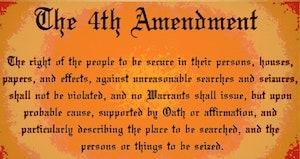
Challenging the stop or search. The Fourth Amendment and the Georgia Constitution’s own search-and-seizure clause both guard against unreasonable searches and seizures. If the officer had no reasonable suspicion for the stop, the gun may be suppressed. The same is true if the officer had no probable cause to search. Car stops are a frequent battleground. Both the legality of the stop and how far the search went are often fought over.
Disputing constructive possession. When a firearm is found in a shared vehicle or residence, the state relies on constructive possession theories. The defense can challenge whether the accused even knew the firearm was present. It can also challenge whether he or she could exercise control over it. Mere proximity to a firearm does not establish possession.
Establishing lawful weapons carrier status. In many cases the whole question is whether the accused could legally carry. If the person fits the lawful weapons carrier definition, the carrying is not a crime. This defense may mean proving that status with records. It may also mean attacking the state's proof that the person was barred.
Challenging the prior felony element. In felon-in-possession cases the state must prove the earlier conviction. The defense can question whether that offense is even a felony. It can question whether the conviction was properly obtained. It can also show that the person's rights were restored by first offender discharge, a pardon, or federal relief.
Every case turns on its own facts. More than one of these defenses may apply at the same time.
What you do in the first hours after an arrest can significantly affect the outcome.
Invoke your right to remain silent. Tell officers clearly that you wish to remain silent and want an attorney. Do not explain why you had the firearm, where you got it, or who it belongs to. Anything you say will be used against you.
Do not consent to additional searches. If officers ask to search your vehicle, home, or phone, you have the right to decline. Politely but clearly state that you do not consent.
Do not discuss the case with anyone in custody. Conversations with cellmates are not privileged. Anything you tell another inmate could be repeated in court.
Preserve documentation of lawful ownership. Sales receipts, old weapons carry licenses, inheritance papers, and similar records can help show your right to have the gun. Ask a family member to find these papers and keep them safe.
Contact a Georgia firearm defense attorney before your first court appearance. Preliminary hearings and bond terms come with tight deadlines. Bond terms may bar you from touching a gun while the case is open. A lawyer can argue for better bond terms and start building your defense on day one.
Gun possession charges in Georgia carry mandatory minimums and long prison terms. They also put your gun rights at risk for good. You may face a felon-in-possession count. You may be accused of carrying in an off-limits place. You may face a firearm add-on. Stakes that high call for a gun crime lawyer.
We take gun possessions and weapons crime cases. Defense lawyer near me is the search that brings most of them to us. Kohn & Yager LLC handles criminal defense in Georgia state courts, including gun and weapons charges. We offer a free consultation to anyone facing a gun possession or concealed carry charge in Georgia. Every case is different, and the result depends on the facts. Still, calling a lawyer early gives you solid footing to protect your rights and your future.
Contact Kohn & Yager LLC today to discuss your case.

No permit is required if you qualify as a "lawful weapons carrier" under Georgia law. Any person who is eligible for a weapons carry license and not otherwise prohibited from possessing a weapon may carry a handgun openly or concealed without obtaining one. However, persons convicted of felonies, those with pending felony charges, fugitives, and others prohibited by law may not carry. A weapons carry license remains useful for reciprocity when traveling to other states.
Under Georgia law, a first conviction carries one to ten years in prison. A second or subsequent conviction carries five to ten years. If the prior felony was a forcible felony – such as robbery, murder, or kidnapping – the statute mandates a five-year sentence. Each firearm involved constitutes a separate offense.
Yes, you can be charged. Georgia law recognizes constructive possession. You may be charged if you had knowledge of the firearm and the ability to exercise control over it. This commonly arises when a firearm is found in a shared vehicle or home. Prosecutors must prove more than mere proximity. They must show knowledge and control.
Under Georgia law, carrying is prohibited in specific locations, including courthouses, jails, and prisons. State mental health facilities that admit individuals involuntarily also prohibit carrying. Carrying is forbidden within 150 feet of polling places during elections. Places of worship are restricted unless the governing body permits it. Government buildings with security screening also restrict carry. School safety zones fall under a separate statute, with felony penalties for anyone who is not a lawful weapons carrier.
In some circumstances, yes. A person discharged under first offender treatment without adjudication of guilt is relieved of the firearm disability. A pardon from the President, the State Board of Pardons and Paroles, or an equivalent authority that expressly authorizes firearm possession also restores rights. Federal relief through the Secretary of the Treasury combined with approval from the Board of Public Safety provides another path. Each option involves specific eligibility requirements and procedures.