TOP-RATED
Atlanta Criminal Defense
Law Firm
Atlanta Criminal Defense
Law Firm





Your Second Amendment rights are protected by both the U.S. and Georgia Constitutions. But along with the right to bear arms comes serious legal exposure when firearms are misused or possessed unlawfully. If you face a gun offense, weapons offense, or firearm possession charge in Athens-Clarke County, an Athens gun lawyer can fight on your behalf. An experienced criminal attorney knows that a weapon during another crime can raise fines and add years of mandatory prison time. Your right to carry is worth defending.

Georgia's carry rules changed in 2022. A person who is legally eligible to own a firearm may now carry a concealed handgun in public without getting a license. State law calls that person a "lawful weapons carrier." The lawful weapons carrier definition sets out who qualifies. In general, the person must be at least 21, or 18 with qualifying military service. The person must also not fall into a category that bars firearm possession. You need no license to keep or carry a firearm on your own property or inside your home. A person not barred from possessing firearms may also carry a long gun. Georgia repealed the older rule that a long gun had to be unloaded and fully exposed. Weapons carry licenses from the county probate court remain available and still useful. Other states honor the Georgia license, which makes travel simpler. Permitless carry does not reach everyone. A person with a disqualifying conviction, a pending felony charge, or certain mental health commitments is not a lawful weapons carrier. Someone who carries without that status may still be prosecuted for carrying a weapon unlawfully. If your eligibility is unclear, talk to a gun possession lawyer before you assume you may carry.
Most gun cases in Athens turn on who possessed the firearm and what else was happening at the time. The charges below are the ones a gun offense lawyer sees most often in the Western Judicial Circuit. Sentences may depend on prior record, the subsection charged, and how prosecutors proceed. A gun charge attorney should review the accusation or indictment early. The right weapon charges lawyer may be able to attack a count before it reaches a jury.
Georgia law makes possession by a convicted felon a felony. Under this statute, a first conviction carries one to ten years in prison. A second or subsequent conviction carries five to ten years. If the underlying felony was a forcible felony, the sentence is five years. The statute also covers anyone on probation as a felony first offender. It also covers anyone on probation after a felony sentence under the statute allowing probation for certain drug offenses. A felon in possession of a firearm lawyer can challenge whether the predicate conviction actually qualifies.
Under Georgia law, anyone who has a firearm during the commission of certain felonies faces a separate, consecutive five-year prison term. That sentence runs after the sentence on the underlying crime, not alongside it. A second or subsequent conviction under this statute carries ten years. The statute cannot be reduced to a misdemeanor. A second offense cannot be probated. Covered felonies include crimes against another person, unlawful entry, theft, and drug possession or trafficking offenses.
Permitless carry does not apply to everyone. A person who does not qualify as a lawful weapons carrier commits unlawful carrying. This applies if the person is under 21, on felony probation, or has a disqualifying conviction. A first offense is a misdemeanor. A second offense within five years is a felony carrying two to five years in prison. This charge still catches people who assume permitless carry covers them.
Georgia's prohibited places law covers several locations. These include courthouses, jails, places of worship, and state mental health facilities. Also prohibited are nuclear power plants and areas within 150 feet of a polling place during elections. A violation is a misdemeanor.
The school safety zone law reaches any building or real property owned by or leased to a school. This includes colleges and universities. A lawful weapons carrier faces a misdemeanor. A person who is not a lawful weapons carrier faces a felony carrying two to ten years, a fine of up to $10,000, or both.
Georgia law limits handgun possession by minors, with narrow exceptions for hunting, sport shooting, and supervised use.
Prosecutors often pair this count with another charge, which can complicate bond. A weapons offense attorney should review the accusation early to identify whether a count can be challenged before trial.
Even a lawful weapons carrier may not carry everywhere. Under Georgia law, certain locations are gun-free zones. These include government buildings (under certain circumstances), courthouses, jails, and prisons. Also prohibited are places of worship, state mental health facilities, nuclear power plants, and areas within 150 feet of a polling location during elections. Carrying in one of those places is a misdemeanor, though a lawful weapons carrier in a place of worship is not arrested and is fined up to $100. The school rule sits in a separate statute and carries much heavier exposure. Under current Georgia law, the school safety zone means in or on any building or real property owned by or leased to a school. That covers public and private elementary and secondary schools. It also covers every college, university, technical school, and vocational school. Georgia repealed the older 1,000-foot buffer, so the line now runs at the property boundary. That boundary matters in Athens. The University of Georgia campus runs through the middle of town. Clarke County School District properties sit in dense neighborhoods. Georgia's campus carry allowance is also narrow. It does not reach classrooms used for high school programs, athletic facilities during events, faculty and administrative offices, spaces used for disciplinary hearings, or student housing, and it covers only concealed handguns. Many people assume the allowance is broader than it is. A weapons offenses attorney sees that mistake often. Private property owners and employers may still exclude firearms from their premises, within the limits state law sets. A lawful weapons carrier who notifies security on arrival and follows their directions, or who immediately leaves a screened government building, may have a defense. Whether that works depends on the location, the notice given, and the facts.

Gun cases are often won before trial. In the Western Judicial Circuit, the firearm is frequently recovered during a traffic stop or a pat-down. The legality of that stop is the first thing our firm examines. Whether any defense below applies depends on the facts, and no lawyer can promise a result.
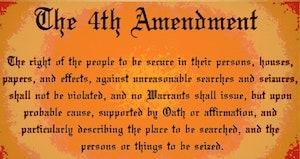
If officers lacked reasonable suspicion for the stop or probable cause for the search, the Fourth Amendment may require suppression of the firearm. Under Georgia law, the burden of proving a warrantless search was lawful falls on the state. Without the gun in evidence, the prosecution usually cannot proceed. A gun offense lawyer will examine dashcam footage, body camera recordings, and the officer's stated reasons for the encounter.
A gun found in a shared car or a shared residence does not automatically belong to anyone in it. The state must tie the weapon to the accused. Proximity alone is often not enough. To prove constructive possession, prosecutors must show the defendant knew the firearm was present. They must also show the defendant had the ability to control it. In shared vehicles or homes, the defense can point to lack of exclusive access. The absence of fingerprints or DNA on the weapon also helps. The presence of other occupants who had access strengthens the defense. A firearm possession lawyer can challenge the link between the client and the weapon when the evidence rests on nothing more than being nearby.
In a felon-in-possession case, the prior conviction is an element. A weapons offense lawyer will check whether the client's rights were restored. The lawyer will also check whether the prior was a first offender discharge. Finally, the lawyer will check whether the record proves it.
Georgia law states that the felon-in-possession statute does not apply to a pardoned person expressly authorized to possess a firearm. Separately, a person sentenced as a first offender and later discharged without adjudication of guilt is relieved from the disabilities imposed by the statute. If the underlying conviction was pardoned or if civil rights were restored through proper channels, the possession charge may fail entirely. A weapons crime lawyer will pull the full record to determine whether any of these exceptions apply.
Since 2022, some arrests still rest on the old licensing framework. Under Georgia law, a person who is eligible for a weapons carry license may carry a concealed handgun without one. When a client clearly qualifies as a lawful weapons carrier, that status can defeat a carry-related charge even when the firearm was on the person. A weapons crime lawyer can compare the arrest report against the current statutory definition. The lawyer can show that the officer applied outdated rules.
Georgia law allows the use of force to defend yourself or another person. Self-defense remains an absolute defense to violations of the statutes governing the carrying and possession of firearms.
A private property owner, such as a landlord, may still exclude or eject an armed person. Ask a lawyer about your facts before assuming any of these arguments applies.
Firearms steepen the penalties otherwise assessed in other criminal charges. Simple assault is a misdemeanor. A person may face a fine of up to $1,000, up to 12 months, or both. An assault becomes aggravated assault when the person uses a firearm. The sentence then runs from one to 20 years. Robbery follows the same pattern. Robbery carries one to 20 years. Armed robbery applies when the person uses an offensive weapon. The sentence rises to ten to 20 years, with life imprisonment also available. The stacking does not stop there. Georgia law adds five years when a firearm is within arm’s reach during certain felonies. That term runs consecutively. Consecutive matters. The client serves those five years after the sentence on the underlying charge, not alongside it. A firearm allegation can also turn a probation-eligible case into one carrying mandatory prison time. Federal exposure is a real risk too. Federal prosecutors may adopt a case involving a felon in possession or a firearm tied to drug trafficking. This changes the sentencing math entirely. This stacking is why a gun crime law firm should be involved before the client speaks to investigators.

Most people arrested on a gun charge in Athens are booked into the Clarke County Jail. After a warrantless arrest, the person must see a judge for a first appearance within 48 hours. That hearing covers the charges, counsel, and bond. Bond depends on the charge. Georgia gun charges are not on the short statutory list of offenses that only a superior court judge may bail. A magistrate can set bond on a misdemeanor carry violation. A magistrate can also set bond on a felony possession count. A magistrate who declines can still leave the question to the Superior Court. This adds days. The courts split by severity. The Athens-Clarke County Magistrate and State Courts handle misdemeanor weapons cases. Felony gun charges go to the Superior Court of the Western Judicial Circuit. That court covers Clarke and Oconee counties. Familiarity with how those prosecutors and judges handle firearm allegations shapes what a negotiation can achieve. Felony cases proceed by grand jury indictment, and timing varies with the grand jury calendar. Before indictment, a preliminary hearing is often the first real chance to test the state's case. It also preserves the officer's testimony under oath. Pretrial motions come next. A motion to suppress the firearm is often where the case is decided. Anything said to police after arrest becomes evidence. This includes statements meant to explain why the gun was in the car. Contact a gun offense attorney before making any statement.
Under Georgia law, gun possession can be either actual or constructive. Actual possession means the firearm was on the person – in a waistband, a pocket, or a hand. Constructive possession means the firearm was in a place the person controlled, such as a vehicle console, a backpack, or a bedroom. Officers charge possession in both situations. The distinction matters because constructive possession is harder for the state to prove.

A gun possession lawyer defends these charges at every stage. The process starts with the stop or search that produced the firearm. If the officer lacked legal justification for the encounter, a suppression motion may remove the weapon from evidence entirely. Next, the lawyer tests whether the client fits the lawful weapons carrier definition. Many carry-related arrests still rely on outdated assumptions about licensing requirements.
When the charge is felon in possession, a firearm possession lawyer examines the predicate conviction. First offender discharges, pardons, and rights restorations can each eliminate the statutory basis for the charge. Before trial, the gun possession lawyer negotiates with Western Judicial Circuit prosecutors on the subsection charged. This directly affects the sentencing range and whether probation remains available.
If suppression and negotiation do not resolve the case, the defense prepares for trial. That preparation includes challenging the chain of custody. It also includes testing the state's proof of possession. The defense presents any applicable justification defense. Every case depends on its own facts. No attorney can promise a result.
Whether you face a gun possession charge, a felon-in-possession case, a weapons offense, or a firearm charge tied to another felony in Athens-Clarke County, early decisions shape the outcome. A felony conviction can permanently end your right to possess a firearm. What happens in the first days after arrest matters.
Kohn & Yager LLC offers a free consultation. We review how the stop and search unfolded. We assess whether you qualified as a lawful weapons carrier under current Georgia law. We map the realistic outcomes for the charge and your record. You get a straight assessment, not a promise.
Our firm has handled weapons and firearm cases in Clarke County and across Georgia. We pursue every available defense. We work to protect your rights at each stage. Until you speak with a lawyer, do not discuss the case with anyone – not police, not friends, not social media. Those conversations turn into evidence.
Call Kohn & Yager LLC to speak with an Athens gun possession lawyer about your case. Past results do not guarantee a similar outcome. Every case depends on its own facts.

No. Since 2022, a lawfully eligible adult may carry a concealed handgun in public without a license. Georgia calls that person a lawful weapons carrier. A statute defines this status. A weapons carry license from the probate court is still available and still helps with reciprocity in other states. Anyone disqualified from possessing a firearm remains barred. Your eligibility depends on your record.
Under Georgia law, a first conviction for felon in possession carries one to ten years in prison. A second or subsequent conviction carries five to ten years. If the prior felony was a forcible felony, the sentence is five years. The sentence could land anywhere in that range depending on prior record, the county, and any counts charged alongside it. Cases involving restored rights or a first offender discharge may not qualify at all. Have a lawyer review the predicate conviction.
Sometimes. A felony gun count may be reduced or dismissed when proof of possession is weak. It also may be reduced when the search is vulnerable. It may be reduced when the prior conviction does not hold up. Prosecutors in the Western Judicial Circuit weigh criminal history heavily. No attorney can promise a reduction. The answer depends on the facts of the stop, the subsection charged, and your record.
On the school's own property. Georgia's school safety zone covers any building or real property owned by or leased to a school. The rule also reaches school functions and school buses. Georgia repealed the older 1,000-foot buffer. In Athens, both University of Georgia property and Clarke County School District property fall inside the zone. Narrow exceptions exist. One covers lawful weapons carriers on public college property. Whether one applies depends on the location and your carry status.
Stay calm. Keep your hands visible. Do not reach for the weapon. You may decline consent to a search. You may say you do not want to answer questions without a lawyer. Do not explain whose gun it is. Those statements become evidence. Speak with counsel first. The legality of the stop often decides the case.
Yes. Georgia law recognizes both actual and constructive possession. Even if the firearm belonged to someone else, prosecutors may argue you had knowledge of the weapon. They may argue you had the ability to control it. That is enough to support a possession charge. A gun possession lawyer can challenge whether the state has enough evidence to connect you to the firearm. This is especially important when the weapon was found in a shared vehicle or a residence with multiple occupants. Representation matters. Early defense work – such as a suppression motion or a challenge to constructive possession – can shape the entire outcome.
It depends on the facts. Suppression of the firearm can achieve reduction or dismissal when the stop or search was unlawful. Proof that the defendant qualifies as a lawful weapons carrier can also succeed. Evidence that the predicate conviction does not support a felon-in-possession charge is also a path forward. For first-time offenders facing a misdemeanor weapons violation, plea negotiations may result in reduced charges or alternative sentencing. No attorney can promise a specific result. The outcome depends on the charge, the evidence, and the defendant's record.