- Free Consultation, Call 24/7: (404) 567-5515 Tap Here To Call Us




Can You Get a Ticket for Having a Headlight Out in Georgia?


Can You Get a Ticket for Having a Headlight out in Georgia?

Yes, you can get a ticket for having a broken, missing, or burned-out headlight, because Georgia requires headlights to be kept in proper working condition. Officers regularly write citations for this equipment failure.
Georgia requires every motor vehicle on a highway to display working headlights during certain conditions. A single non-functioning headlight means the vehicle does not meet these requirements. Law enforcement routinely uses a burned-out headlight as probable cause to initiate a traffic stop. Even if a driver does not realize the light is out, the stop and the resulting citation are still valid.
Georgia Headlight Laws Every Driver Should Know
Georgia's headlight laws cover more than just whether a bulb works. They govern when lights must be on, how bright they can be, and how drivers must use high beams around other traffic.
When headlights must be on. Under Georgia law, headlights from a half-hour after sunset to a half-hour before sunrise are required. In everyday terms, that is 30 minutes after sunset to 30 minutes before sunrise. Drivers must also turn them on during rain in the driving zone. Other weather conditions count the same way. Headlights are required any time visibility is not enough to see people and vehicles 500 feet ahead. Driving without headlights in any of these conditions is a citable offense.
Two working headlights required. Georgia law requires at least two but not more than four headlights on every motor vehicle other than a motorcycle, with at least one on each side of the front, and those headlights must be kept in proper working condition. A car or truck with one headlight out does not meet the standard, so it is illegal to drive with one headlight out in Georgia. A motorcycle must have at least one headlight and no more than two.
High-beam restrictions. Under Georgia law, drivers must dim high beams within 500 feet of an oncoming vehicle. They must also switch to low beams when following another vehicle within 200 feet, except when actively passing. Failing to dim high beams is a separate violation that can result in its own citation.
Color and cover restrictions. Georgia's lighting statutes do not set a headlight color, but they do reserve flashing or revolving blue lights for law enforcement vehicles, and red or amber emergency lights need a permit from the state. Georgia law also says required headlights must not be covered by any type of material unless the original factory headlights were covered. A driver using colored headlight covers risks a ticket even if the bulbs themselves work properly.
Are LED and Aftermarket Headlights Legal in Georgia?
Many drivers ask about LED headlight laws when upgrading their vehicles. LED headlights are legal in Georgia, but only if they meet federal and state standards.
LED bulbs must comply with Federal Motor Vehicle Safety Standard 108. That is a federal standard, not a Georgia one, and it governs headlight color, output, and beam pattern for vehicles sold in the United States. Georgia's own lighting statutes do not list permitted headlight colors. What Georgia law does reserve for law enforcement is flashing or revolving blue lighting, so blue emergency-style lights on a private vehicle are prohibited.
The most common problem involves LED bulbs retrofitted into halogen housings. These housings were not designed for LED output. The result is often excessive glare that blinds oncoming drivers. An officer who perceives a headlight as unreasonably bright or improperly aimed may initiate a stop. Under Georgia law, a headlight beam must not strike the eyes of an approaching driver, and a citation under that rule could follow.
Georgia law also caps auxiliary lighting: no more than two foglights and one auxiliary driving light, each within set mounting heights, plus no more than one spotlight, which may not be aimed at an approaching vehicle. Even properly installed LED headlights can draw attention from law enforcement if they appear brighter than standard factory equipment. Drivers who upgrade their headlights should verify that the bulbs carry a DOT compliance marking. They should also confirm that the beam pattern does not scatter light above the cutoff line.
How Much Is a Ticket for a Headlight out in Georgia?
Drivers often want to know the cost of a headlight ticket. The answer depends on where the citation is issued.
Headlight violations are typically handled in local traffic courts. The amount is set by the court named on the citation, so it varies by county and municipality. Because the violation is a misdemeanor, Georgia law allows a misdemeanor fine of up to one thousand dollars unless another Code section sets a different amount, though a first equipment citation is normally resolved for a small fraction of that ceiling. Court costs, surcharges, and administrative fees are added on top of the base fine.
Some Georgia courts offer a "fix-it ticket" option. This is a correctable violation where the driver can present proof of repair to reduce or dismiss the fine. Not every court provides this option. Drivers should read the citation carefully. It will list the court, the appearance date, and whether the driver may resolve the matter by mail or must appear in person.
Repeat equipment violations or citations combined with other offenses may carry higher total fines. Driving without a valid license or expired registration are examples. The specific amount will appear on the citation or can be confirmed by calling the court listed on the ticket.

Is a Headlight out a Criminal Offense?
A common question is whether a headlight out is a criminal offense. The technical answer may surprise drivers.
Under Georgia law, it is a misdemeanor to drive a vehicle whose required lights are not in proper condition. This means a headlight violation is technically classified as a misdemeanor under Georgia law.
In practice, however, courts treat a simple equipment violation like a burned-out headlight as a minor infraction. The typical outcome is a fine. There is usually no jail time. Georgia law says no points are assessed for equipment violations. The distinction matters: a moving violation like speeding adds points to a license, while an equipment violation like a broken headlight does not.
The situation changes if a driver ignores the ticket. Failing to appear in court or pay the fine can lead to a failure-to-appear charge. That charge is more serious and may result in a bench warrant, additional fines, and a suspended driver's license. A simple headlight ticket that could have been resolved with a small fine and a repair receipt can become a much larger legal problem if left unaddressed.
When a Headlight Stop Turns Into Something More Serious
A headlight-out stop is one of the most common pretextual stops in Georgia. Officers use the equipment violation as a lawful basis to pull a vehicle over. What happens next can lead to far more serious charges.
During any lawful traffic stop, an officer may observe signs that lead to further investigation. The smell of alcohol, bloodshot eyes, or slurred speech may prompt a DUI investigation. Visible contraband or drug paraphernalia in the vehicle could lead to drug possession charges. An outstanding warrant discovered during a routine license check can result in an arrest on the spot.
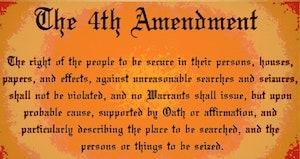
However, a headlight ticket alone does not authorize a search of the vehicle. That limit comes from the Fourth Amendment rather than from any Georgia statute: officers need additional justification – such as probable cause, the driver's consent, or an applicable exception to the warrant requirement. Drivers have the right to decline a request to search their vehicle. Politely saying "I do not consent to a search" preserves legal options if the case goes to court.
Georgia courts have consistently upheld headlight-based stops as valid. The officer must have had an objective basis for the stop. The key legal question in cases involving additional charges is often whether the officer's actions after the initial stop were lawful. A criminal defense attorney can evaluate whether the stop and any resulting search followed proper legal procedures if you were charged with DUI, drug possession, or another offense after a headlight stop.
What to Do If You Get a Headlight Ticket in Georgia
If you receive a headlight citation, take these steps:
- Fix the headlight immediately. Keep the receipt as proof of repair. Some courts will reduce or dismiss the fine if you show the problem has been corrected.
- Read the citation carefully. Identify the court, your appearance date, and whether you can pay by mail or must appear in person.
- Contact the court. Ask about fix-it ticket options or the possibility of entering a nolo contendere plea, which may help keep the violation off your record in some circumstances.
- Do not ignore the ticket. Failing to appear or pay can result in a suspended license and a bench warrant.
- Consult a traffic attorney if the stop led to additional charges. If you were charged with DUI, drug possession, or another offense during the stop, legal counsel can review whether the stop and search were lawful.
Frequently Asked Questions About Headlight Tickets in Georgia
Is It Illegal to Have a Headlight Out in Georgia?
Yes. Georgia law requires every car and truck to carry at least two headlights, one on each side of the front, and to keep them in proper working condition. Driving with one burned out does not meet that standard. It is charged as a misdemeanor equipment violation, and an officer may stop you for that alone. Fixing the bulb and keeping the repair receipt is usually the fastest way to limit what the ticket costs you.
Do You Get Points on Your License for a Headlight Out Ticket in Georgia?
No. Georgia law bars point assessment for violations of equipment rules, so a burned-out headlight adds no points to your driving record. Points are assessed for moving violations such as speeding or disobeying a traffic-control device. However, if the headlight citation is combined with a moving violation from the same stop, that moving violation could add points. You should check with the court listed on your citation to confirm.
Can a Police Officer Pull Me Over Just for a Headlight Being Out?
Yes. A non-functioning headlight violates Georgia law, which gives an officer lawful probable cause to initiate a traffic stop. Georgia courts have upheld these stops as valid. The officer does not need to suspect any other violation – the equipment defect alone is sufficient legal justification for the stop.
Will a Headlight Ticket in Georgia Raise My Car Insurance Rates?
Insurance companies generally treat equipment violations differently from moving violations. A single headlight ticket is unlikely to cause a significant rate increase, if any. However, insurance policies and company practices vary. Multiple equipment violations or a headlight ticket combined with other offenses could draw more attention from an insurer during a policy review.
Can I Get a Headlight Ticket Dismissed if I Fix the Headlight?
The answer depends on the jurisdiction. Some Georgia courts offer correctable-violation programs where presenting proof of repair can lead to a reduced fine or dismissal. A repair receipt is an example of acceptable proof. Not all courts offer this option. You should contact the court listed on your citation before your appearance date to ask about available programs.
Charged With More Than a Headlight Violation? Talk to a Georgia Defense Attorney
A burned-out headlight is a minor equipment issue. But when a routine traffic stop leads to charges for DUI, drug possession, weapons offenses, or other crimes, the stakes change completely.
If you are facing criminal charges that started with a headlight stop, the legality of that stop matters greatly. Everything that followed may be central to your defense. Kohn & Yager LLC focuses on criminal defense in Georgia courts. Our attorneys understand how traffic stops are conducted and challenged. We can review the facts of your stop. We can evaluate whether the officer's actions were lawful. We can identify potential challenges to the evidence against you.
Every case is different. Results depend on the specific facts and circumstances. Contact Kohn & Yager LLC for a free initial consultation. Acting quickly helps preserve your ability to challenge the stop and protect your rights.