- Free Consultation, Call 24/7: (404) 567-5515 Tap Here To Call Us




Can You Go to Jail for a Car Accident in Georgia?


When a Car Accident Becomes a Criminal Case in Georgia
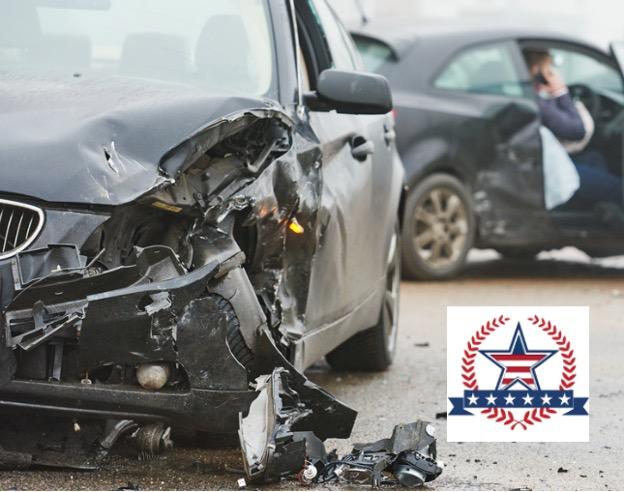
Most car accidents in Georgia are civil matters. Drivers exchange insurance information, file claims, and move on. But can you go to jail for a car accident? The answer is yes – when the driver's conduct crosses the line from ordinary negligence into criminal behavior.
Georgia law draws a clear line between a civil wrong and a crime. A driver who momentarily loses focus and rear-ends another car has committed negligence. That driver faces a lawsuit or an insurance claim, not a jail cell. Criminal charges arise when the driver was impaired. They also arise when the driver acted recklessly or fled the scene. They arise when a traffic violation caused serious injury or death.
Jail exposure after a crash generally depends on three factors:
- The driver's state – Was the driver impaired by alcohol or drugs? Was the driver driving with extreme disregard for safety?
- The outcome – Was anyone seriously injured or killed?
- Post-crash duties – Did the driver stop, identify themselves, and render aid as Georgia law requires?
When any of these factors tips toward criminal conduct, a routine accident investigation can become a criminal case. The sections below cover the specific charges, penalties, and defenses that apply.
Criminal Charges That Can Result From a Car Accident
Several criminal charges can arise when a Georgia car crash involves more than simple negligence.
DUI-related offenses. Driving under the influence is the most common criminal charge tied to a crash. A driver is guilty if impaired by alcohol, drugs, or toxic vapors to the extent it is less safe to drive. A driver is also guilty if their alcohol concentration is 0.08 grams or more at any time within three hours of driving, from alcohol consumed before the driving ended. A first DUI is a misdemeanor. A fourth or later conviction within ten years is a felony. When a DUI driver causes serious bodily harm or death, prosecutors may bring additional charges. These charges include serious injury by vehicle or vehicular homicide.
Serious injury by vehicle and vehicular homicide. Under Georgia law, a driver who causes an accident resulting in bodily harm while driving recklessly or under the influence commits serious injury by vehicle, a felony punished by one to 15 years in prison. Bodily harm has a narrow meaning here: the loss of a body member, a member rendered useless, serious disfigurement, or organic brain damage. Leaving the scene knowing the crash caused such harm is a separate felony punished by one to ten years, unless the drivers exchanged insurance information before leaving. A driver who causes a death without malice aforethought through reckless driving, reckless stunt driving, driving under the influence, passing a stopped school bus, or fleeing police commits homicide by vehicle in the first degree, punished by three to 15 years, and leaving the scene of a fatal crash carries the same charge and range. A death caused by any other violation of the motor vehicle code is homicide by vehicle in the second degree, which is punished as a misdemeanor rather than a felony.
Reckless driving. Under Georgia law, reckless driving is a misdemeanor. It applies when a driver operates a vehicle with reckless disregard for the safety of persons or property.
Hit and run. Under Georgia law, a driver must stop and provide information after any accident resulting in injury, death, or damage to an attended vehicle. The driver must give their name, address, and vehicle registration number, and show their license on request. The driver must render reasonable assistance. Knowingly failing to stop after an accident that causes death or serious injury is a felony. The punishment is imprisonment for not less than one year and not more than five years. When the accident causes a non-serious injury or damage to an occupied or attended vehicle, a hit-and-run violation is a misdemeanor carrying a fine of $300.00 to $1,000.00 that the court may not suspend, stay, or probate, up to 12 months in jail, or both.
Reckless stunt driving. Under Georgia law, drag racing or laying drags in reckless disregard for safety is a misdemeanor of a high and aggravated nature for the first three offenses. On a fourth or later conviction within ten years, it escalates to a felony.
Hitting a Pedestrian or Another Driver: When Jail Is on the Table
Many people wonder: can you go to jail for hitting someone with your car? The answer depends on the circumstances, not the impact itself.
Simply striking a pedestrian, cyclist, or another vehicle's occupant does not automatically make a driver guilty of a crime in Georgia. Accidents happen. A driver who was obeying traffic laws and exercising ordinary care may cause a collision without any criminal liability. Civil liability for damages is a separate question from criminal guilt.
Jail becomes a real possibility when additional factors are present:
- The driver was impaired by alcohol or drugs at the time of the crash
- The driver was operating recklessly or committed a traffic violation that caused serious injury or death
- The driver failed to stop and comply with the duty-to-stop requirements
Georgia's duty-to-stop law is especially important. A driver who hits a person must immediately stop. The driver must provide their name, address, and the registration number of the vehicle. The driver must show their license on request. The driver must render reasonable assistance. This includes arranging medical transport if needed. When the injured person is unconscious or cannot communicate, the driver must contact emergency medical services. The driver must contact law enforcement. Failing to fulfill these duties after a crash that causes death or serious injury is a felony.
The key distinction is conduct, not contact. Hitting someone is not by itself a crime. Hitting someone while impaired, fleeing the scene, or driving with reckless disregard for safety can be a crime.
Potential Penalties and Jail Sentences
Penalties for crash-related criminal charges in Georgia vary widely depending on the offense and the driver's prior record.
Misdemeanor offenses. Reckless driving, a first or second DUI, and misdemeanor hit and run carry county jail time of up to 12 months. For DUI that jail time is not merely potential: a first conviction with an alcohol concentration of 0.08 grams or more requires at least 24 hours, and a second conviction within ten years requires at least 72 hours actually served. Under Georgia law, misdemeanor punishment includes a fine not to exceed $1,000.00, confinement not to exceed 12 months, or both. Misdemeanors of a high and aggravated nature carry higher penalties. These include a third DUI and the first three reckless stunt driving convictions. Under Georgia law, high and aggravated misdemeanors carry a fine of up to $5,000.00 or confinement of up to 12 months, or both, unless the offense sets its own penalty. Reckless stunt driving sets its own: a first conviction carries a fine of not less than $300.00 nor more than $750.00 and ten days to six months in jail, and a third not less than $1,000.00 nor more than $5,000.00 and 120 days to 12 months. A third DUI carries $1,000.00 to $5,000.00 and 120 days to 12 months, at least 15 days of it actually served.
Felony offenses. Felony hit and run involving death or serious injury, fourth-offense DUI, serious injury by vehicle, and first degree vehicular homicide carry state prison time. Homicide by vehicle in the second degree is punished as a misdemeanor rather than a felony. A felony hit-and-run conviction carries imprisonment of not less than one year and not more than five years. A fourth DUI within ten years carries imprisonment of not less than one year and not more than five years, of which the judge may probate all but 90 days. A death caused by a driver whose license was revoked as a habitual violator carries five to 20 years, at least one of which must be served.
Criminal convictions after a crash may result in driver's license suspension, mandatory community service, or substance abuse treatment. Probation may be imposed. A criminal record will have lasting consequences. A felony conviction can affect employment, housing, and civil rights for years.
Every case is different. The specific penalty a court may impose depends on the facts, the charges, and the defendant's history. Anyone facing criminal charges after a crash should consult a licensed Georgia attorney for case-specific guidance.

Defenses to Criminal Charges After a Car Accident
Criminal charges after a crash are not automatic convictions. Several defense theories commonly arise in these cases.
Challenging causation. The prosecution must prove the defendant's conduct caused the injury or death. If another driver's actions, road conditions, or a mechanical failure contributed to the crash, the causal link may be broken or weakened.
Challenging the underlying traffic violation. Charges like first degree vehicular homicide and serious injury by vehicle require proof that the driver committed one of the traffic offenses the statute names, such as reckless driving or driving under the influence. If the state cannot prove the violation, the charge may not stand.
Challenging DUI evidence. In impairment-based cases, defense attorneys scrutinize field sobriety tests, breath tests, and blood draws. Improper administration, equipment calibration issues, or violations of the driver's rights during testing can all provide grounds for challenge.
Mistake of fact in hit-and-run cases. Georgia's hit-and-run statute requires that the driver "knowingly" fail to stop. A driver who genuinely did not realize a collision occurred may have a valid defense. A driver who did not know a person was involved may also have a valid defense.
Medical emergency. A driver who suffered a sudden medical event has a potential defense. Such events include a seizure, heart attack, or diabetic episode. The driver may not have acted with the intent or recklessness required for a criminal conviction.
These defenses are fact-specific. Their availability and strength depend entirely on the circumstances of each case.
What to Do If You're Facing Criminal Charges After a Crash
The steps you take immediately after a serious accident can shape the outcome of a criminal case.
Limit what you say. Provide your name, address, and vehicle registration number, and show your license on request, as Georgia law requires. Beyond that, do not discuss fault, impairment, or the details of the crash with police or insurance adjusters. Request an attorney before answering questions while in custody.
Preserve evidence. Dashcam footage, phone records, medical records, and photographs of the scene can all become critical. Save everything. Do not delete files or discard documents.
Get a lawyer involved early. Evidence degrades quickly after a crash. Surveillance video from nearby businesses may be overwritten. Witness memories fade. Accident reconstruction opportunities shrink as the scene changes. An attorney who gets involved before the first court appearance can begin preserving evidence and building a defense strategy from day one.
Early legal representation also matters for procedural reasons. Arraignment deadlines, bond conditions, and discovery windows all move on a fixed schedule. Missing an early opportunity can limit your options later.

Speak With a Georgia Criminal Defense Attorney About Your Case
Facing criminal charges after a car accident is serious. You may face charges for DUI, reckless driving, hit and run, or vehicular homicide. The consequences can include jail time, a felony record, and the loss of your driving privileges.
Kohn & Yager LLC focuses on criminal defense in Georgia courts. The firm handles crash-related criminal cases and understands how local prosecutors approach these charges. Early legal representation allows the defense team to preserve critical evidence. It allows the team to challenge the state's case. It protects your rights from the first hearing forward.
If you or someone you know is facing criminal charges stemming from a car accident, contact Georgia Criminal Defense for a free consultation. Every case is different. The sooner you speak with a lawyer, the more options may be available to you.

Frequently Asked Questions
Can You Go to Jail for a Car Accident in Georgia if No One Was Hurt?
A driver may face jail time for reckless driving or DUI even if no one was injured. These offenses criminalize the driver's dangerous conduct, not the outcome of the crash. A misdemeanor hit-and-run charge can also apply when the driver fails to stop after damaging a vehicle that is occupied or attended by another person.
Is Hitting a Pedestrian With Your Car Automatically a Crime in Georgia?
Striking a pedestrian is not automatically a criminal offense. Criminal charges typically require additional factors such as impairment, recklessness, a traffic violation that caused the injury, or failure to stop and render aid. A driver who was exercising ordinary care may face civil liability but not criminal charges.
What Is the Difference Between a Traffic Ticket and a Criminal Charge After a Crash?
In Georgia most violations of the rules of the road are themselves misdemeanors, so a traffic ticket is already a criminal charge in form. It usually results in a fine and points on your license. The more serious charges – such as DUI, vehicular homicide, or felony hit and run – carry the possibility of jail or prison time, a criminal record, and more severe collateral consequences. The distinction depends on the severity of the driver's conduct and the outcome of the crash.
Can You Be Charged Criminally if the Other Driver Caused the Accident?
Possibly. Even if another driver was primarily at fault for the collision, you could face criminal charges for your own conduct. If you were driving under the influence or fled the scene, those actions are independently criminal regardless of who caused the crash.
Should I Talk to the Police After a Serious Car Accident?
You should provide the basic identification information Georgia law requires – your name, address, and vehicle registration number, and your license on request. Beyond that, you have the right to remain silent and to request an attorney before answering questions about the details of the crash. Anything you say may be used against you in a criminal case.