- Free Consultation, Call 24/7: (404) 567-5515 Tap Here To Call Us




Georgia Pet Cruelty Laws: Animal Abuse Charges, Penalties & Defenses



Animal cruelty in Georgia means causing an animal physical pain, suffering, or death. The act or omission must be unjustifiable. The law also covers a failure of care. A person who takes custody of an animal must provide adequate food, water, sanitary conditions, and ventilation.
Several questions come up first. What is considered animal cruelty? What counts as animal cruelty when no one set out to hurt an animal? And what is considered cruelty to animals in the eyes of a prosecutor? Georgia's laws against cruelty to animals answer all three the same way. What constitutes animal cruelty is set by the statute, not by local custom or by how a neighbor sees it. The statute reaches direct acts and failures of care alike. Georgia's main provision on cruelty to animals sits in the criminal code. These cases arrive as criminal charges, not civil infractions.
What defines animal cruelty in a neglect case is the care standard. That standard uses a plain yardstick. What would a reasonable person of ordinary knowledge expect? The answer turns on that animal's size, species, breed, age, and physical condition. The statute's definition of "animal" leaves out fish. It also leaves out pests removed from a home or business. Everything else in a person's care is covered.
Most Georgia cases fall into a few recurring categories:
- Intentional harm, such as striking, burning, or poisoning an animal
- Neglect, including starvation, dehydration, or an untreated injury
- Abandonment at a vacated property, on a roadside, or at a shelter doorstep
- Failure of care, such as filthy conditions or no ventilation
- Hoarding conditions, where one home holds more animals than anyone can manage
- Tethering and confinement problems, including chaining and hot vehicles
Georgia's Animal Protection Act adds more rules. It sets the care and impoundment standards that animal control enforces. Those standards cover animals held by owners, shelters, and kennels. Dogfighting violations are charged under their own section. Georgia's pet cruelty laws apply to owners, caretakers, and sitters. They also apply to anyone with custody or control of the animal. The statute reaches companion animals, livestock, and any other animal in a person's care. You do not have to own an animal to be charged. Charging decisions often turn on the facts. How the responding agency reads those facts matters too.

Is Animal Cruelty a Crime? Federal and Georgia Overview
When people ask, "Is animal cruelty a crime?" the answer is yes. Every state treats animal cruelty as a criminal offense. Federal law now reaches some conduct as well.
Congress passed the Preventing Animal Cruelty and Torture Act, known as the PACT Act, in 2019. President Donald Trump signed it into law that November. The law made certain intentional acts of extreme animal cruelty a federal felony. It applies when the conduct affects interstate or foreign commerce. It also applies on federal lands and in other places under federal jurisdiction. Readers asking who made animal cruelty a felony at the national level usually mean that law. State felony animal cruelty laws came first. They still handle almost every prosecution.
Georgia charges these cases under the state's cruelty to animals statute. One section carries three grades. Basic cruelty is a misdemeanor. A second or later conviction becomes a misdemeanor of a high and aggravated nature. Aggravated cruelty is a felony. That grade requires malicious conduct that kills, maims, tortures, or poisons an animal. The grade controls the sentence. The same facts can carry very different exposure. Much depends on how the State frames intent. That is why the charging decision matters so much.
Misdemeanor vs. Felony Animal Cruelty Charges
Most readers arrive with one question: is animal abuse a felony? In Georgia, the answer depends on the grade. Basic cruelty to animals is a misdemeanor. A second offense becomes a high and aggravated misdemeanor. Aggravated cruelty to animals is a felony. Aggravated cruelty means maliciously causing an animal's death. It also covers causing physical harm. That harm must render a body part useless or seriously disfigure the animal. Malice and the extent of injury separate the two grades. Consider a dog that arrives at a vet with a badly broken leg. Suppose the State proves the owner acted with malice and the leg never heals. Prosecutors may then pursue felony animal cruelty charges. Suppose instead the evidence points to a fall, a fight with another dog, or careless watch. A misdemeanor is then more likely. Related conduct can add separate felony counts. Dogfighting offenses carry their own penalties. Animal abuse charges also appear alongside domestic violence or property crime cases. In those cases, officers document harm to a pet during a broader probe.
Penalties, Fines, and Jail Time for an Animal Cruelty Conviction
Can you go to jail for animal abuse in Georgia? Yes. A conviction can carry jail or prison time. The sentence depends on the grade of the charge. The three grades are basic cruelty, a high and aggravated misdemeanor, and felony aggravated cruelty.
Sentencing exposure depends on the grade of offense and the defendant's record.
Misdemeanor cruelty to animals. Up to 12 months in jail, a fine, or both. The time is served in county jail or on probation.
High and aggravated misdemeanor. This grade applies to a second or later offense. The same 12-month jail cap applies. But the fine maximum is higher. Good-time credit is less.
Felony aggravated cruelty. Generally one to five years in prison and a fine up to $15,000. Repeat felony convictions carry higher exposure. The range reaches one to ten years and a fine of up to $100,000.
What surprises people most is not the animal abuse jail time. An animal impounded for cruelty is not returned to its owner. Impoundment costs can be charged back to the owner. A judge may also bar animal ownership for a set time. That bar comes as a condition of probation. Before sentencing, the judge may order a psychological evaluation. The court must also weigh the defendant's entire criminal record. A judge may set other probation conditions as well. The court may order restitution to the shelter that cared for the animal.
An animal abuse penalty follows you past the sentence. Employers, landlords, and licensing boards see these cases. The punishment for animal cruelty varies by county, judge, and criminal history. No attorney can promise a particular outcome. Past results do not guarantee a similar outcome.
Fines and Restitution for Animal Abuse Convictions
Fine ceilings track the grade of the offense. Georgia's general misdemeanor sentencing statute caps a misdemeanor fine at $1,000. A misdemeanor of a high and aggravated nature carries a ceiling of $5,000. Felony aggravated cruelty allows a fine of up to $15,000. A second or later felony conviction allows up to $100,000.
Restitution often costs more than the fine. A court can order a defendant to repay veterinary care, boarding, and impoundment expenses. That order can cover every animal seized. In a hoarding case, those bills run for months before the case resolves. Georgia law makes a fine or restitution order a judgment against the defendant. The State can then enforce it like any other judgment. A judge may reduce or waive a fine. The court weighs the defendant's finances and dependents first. Restitution works differently and is rarely waived.
Jail and Prison Sentences for Animal Cruelty
How long do you go to jail for animal cruelty in Georgia? Misdemeanor cruelty carries up to 12 months in county jail. Judges can suspend or probate a misdemeanor sentence. First-time offenders often serve probation instead of custody. A misdemeanor sentence of six months or less may be served on weekends. It may be served during a defendant's non-working hours as well. The judge decides.
A misdemeanor of a high and aggravated nature carries the same 12-month cap. Earned time is also limited. Under Georgia's high and aggravated misdemeanor sentencing statute, a defendant can earn no more than four days per month. More of the sentence is actually served. Felony aggravated cruelty carries one to five years in prison. A second or later felony conviction carries one to ten years. An animal cruelty sentence turns on the prior record. The severity of the harm counts too. So does whether the case involved more than one animal.

Animal Neglect and Abandonment Charges
Can you go to jail for animal neglect? Yes. Neglect is a crime in Georgia. It falls under the same cruelty statute. A conviction there is punishable by up to 12 months in jail.
Georgia's animal abuse laws reach neglect as squarely as they reach active harm. A large share of Georgia prosecutions are neglect cases, not intentional-violence cases. The care-failure prong of the statute names adequate food, water, sanitary conditions, and ventilation. Other failures of care are charged as unjustifiable omissions that cause pain or suffering. Those include no shelter from the weather and no room to move. No veterinary treatment for an injured animal also counts. Intent to harm is not required.
Abandonment falls under the same framework. Leaving an animal at a vacated property may bring a state charge. The same is true on a roadside or at a shelter doorstep. County or municipal ordinance violations may also apply. Local ordinances often set stricter tethering and sanitation standards than state law. So animal neglect laws and animal abandonment laws work on two levels in Georgia. Those levels are state and local.
Hoarding cases deserve their own mention. They usually start when a well-meaning caretaker takes in too many animals. The caretaker then cannot keep up with food, cleaning, and vet bills. These matters often begin with a routine animal control welfare check.
The fact patterns that most often trigger charges are narrow and easy to spot. They include starvation, dehydration, and an untreated injury or illness. Unsanitary tethering, confinement, and hoarding conditions round out the list. Neglect differs from active abuse in one way. Neglect is the omission of care, not a direct act of harm.
Prosecutors rarely have an eyewitness to neglect. They build the case with veterinary findings and body condition scoring. Necropsy results matter when an animal dies. Dated photographs of the premises also help the State. Feeding and supply records cut both ways. The defense gathers them early for that reason.
A neglect case can escalate. Suppose an animal dies or suffers permanent injury. Prosecutors may then argue the failure of care was malicious. They may seek felony aggravated cruelty instead. The punishment for animal neglect then moves from months to years.
Aggravated Cruelty, Bestiality, and Related Georgia Offenses
Georgia groups several animal offenses in the criminal code. One investigation can produce more than one charge.
Aggravated cruelty to animals. This grade is the felony tier. It requires malicious conduct. The statute names killing an animal or taking a body part. Rendering part of its body useless also counts. So does serious disfigurement, severe or prolonged pain, and poisoning. A malicious failure of care that kills or maims an animal qualifies too. Malice means an actual intent to cause the harm. It also covers acting with awareness of a plain and strong likelihood of that harm. That definition separates felony animal abuse from the misdemeanor tier.
Bestiality. Georgia's bestiality statute defines a separate sexual offense involving an animal. The offense carries one to five years in prison. Charges of this kind often arrive alongside cruelty counts from the same investigation. Anyone facing one should ask counsel about the collateral consequences. Those include the lasting effect of a conviction on jobs and housing. Such consequences can reach well past the sentence.
Dogfighting. Georgia's dogfighting statute makes owning, training, staging, or wagering on dog fights a felony. A first conviction carries one to five years in prison. The fine is at least $5,000. A second conviction raises the range to one to ten years. The fine there is at least $15,000. Being knowingly present as a spectator is also an offense. Each act can be charged separately.
Georgia does not number its cruelty grades. Other states charge degrees, such as second-degree animal cruelty. Georgia's statute grades conduct instead of using degrees. A degree label from another state does not set the Georgia grade. Readers comparing states should match the conduct, not the label.
How Animal Cruelty Investigations and Arrests Work in Georgia
Can you get arrested for animal abuse in Georgia? Yes, and the arrest is rarely the first step. The case typically begins with a welfare check or an anonymous complaint. Seizure of the animal often follows. Then comes a citation or arrest warrant. An impoundment hearing follows only if the owner requests one. Formal charges follow in state or superior court.
These cases usually begin with a complaint. The caller may be a neighbor, a veterinarian, or a delivery driver. A humane society volunteer or a rescue group may also call. The call goes to the county animal control office or the sheriff's office. An officer then performs a welfare check at the property. That same check may turn up an at-risk adult in the home. A second investigation can follow. Our guide explains whether exploitation of the elderly is a felony in Georgia. The evidence in these cases is visual and medical. Officers collect photographs, body-camera video, and a vet exam. The animal is often seized and impounded before any charge is filed.
Georgia law spreads this authority widely. A sheriff, deputy, or other peace officer can enforce the cruelty and dogfighting statutes. An animal control officer who works for state or local government has power too. That officer may ask a court for an inspection warrant on probable cause. An approved veterinarian examines an animal before impoundment for cruelty. The vet documents its condition. That examination often becomes the centerpiece of the State's proof.
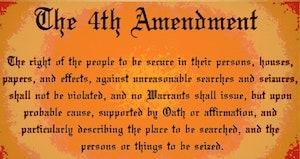
Georgia law provides a hearing to challenge impoundment. The owner must request it in writing within five business days of the impoundment notice. Return of the animal requires payment of all impoundment and care costs. A citation or arrest usually follows. Then comes a first appearance and bond conditions. Two mistakes hurt these cases most. The first is consenting to a search of the home, yard, or outbuildings. Many people agree without knowing how far that consent reaches. The second is giving a recorded statement while upset and unprepared. Fourth Amendment protections still apply to animal control searches. Whether an exception justified the entry is often the central pretrial issue. People under investigation should save vet records and supply receipts right away. Dated photographs and text messages matter too.
Defenses to Animal Cruelty Charges
Lack of willfulness or malice. Intent is an element, not an afterthought. The absence of malice may separate a felony from a misdemeanor. It may also separate a charge from no charge at all. An alternative cause of injury. Illness, advanced age, an accident, or an attack by another animal can explain an injury. Those causes often look deliberate in a photo. Vet records tell the real story. No custody or control. When several people share a home, the State must connect the accused to the animal's care. Reasonable care under the circumstances. Care that met available vet guidance may not be criminal. The owner's real resources count as well. Statutory exclusions and justifications. Georgia law recognizes lawful hunting, fishing, and trapping. It also recognizes accepted animal husbandry practices and pest control. Defending a person or livestock from an attacking animal is recognized too. Unlawful search or seizure. Suppose officers entered without a warrant or a valid exception. A motion to suppress may then reach the photographs and vet findings. Mitigation matters too. Options vary by county, prosecutor, and record. They may include pretrial diversion or sentencing under Georgia's First Offender Act. A negotiated cut to an ordinance violation may also be available. Eligibility is never automatic.
Speak With a Georgia Animal Abuse Defense Attorney
Timing drives these cases. The impoundment hearing often happens before anyone calls a lawyer. So does the first animal control interview. Both events shape what comes next. Kohn & Yager LLC defends animal abuse charges in Georgia state, magistrate, and superior courts. That work includes basic cruelty, aggravated cruelty, neglect, and abandonment. Animal-related ordinance cases are part of it too. We know how county animal control agencies build and refer these files. A free consultation covers the citation or warrant and the animal control report. We review the vet records as well. We look closely at whether the search and seizure were lawful. That answer often decides what evidence the State keeps. We will pursue every available defense. Past results do not guarantee a similar outcome. Call today for a free, confidential review of animal cruelty or neglect charges in Georgia.

Frequently Asked Questions
What happens if you are charged with animal cruelty in Georgia?
An animal cruelty case in Georgia follows a set sequence. A citation or arrest comes first. The animal has often been seized already. A hearing on the impoundment follows if the owner requests one within five business days. Return of the animal requires payment of all impoundment and care costs. Arraignment comes next. Then comes discovery of the animal control report and the veterinary records. Many cases resolve in pretrial negotiation. The rest move to diversion or trial. Jail is possible on a misdemeanor, but not automatic. Judges often probate a first offense.
Is animal cruelty a felony in Georgia?
Animal cruelty is a felony in Georgia only at the top grade. Basic cruelty is a misdemeanor. A repeat conviction becomes a high and aggravated misdemeanor. Aggravated cruelty is the felony tier. That grade requires malicious conduct causing death or serious disfigurement.
Can you go to jail for animal abuse in Georgia?
Yes, a conviction for animal abuse in Georgia can bring jail time. A misdemeanor conviction carries up to 12 months in county jail. Neglect alone can support that charge. Felony aggravated cruelty carries one to five years in state prison. A second or later felony conviction carries one to ten years. First-time misdemeanor offenders often receive probation rather than jail. The choice of jail, probation, or a fine depends on the facts and record.
What is the fine for animal cruelty in Georgia?
Misdemeanor convictions carry a fine set by the sentencing court. A high and aggravated misdemeanor carries a higher ceiling. Felony aggravated cruelty can bring a fine up to $15,000, plus restitution and care costs.
What is the difference between cruelty to animals and aggravated cruelty to animals?
Cruelty covers causing unjustifiable pain or suffering. It also covers failing to provide necessary care. Aggravated cruelty requires malicious conduct. That conduct must kill the animal, render a body part useless, or seriously disfigure it.
Can an animal cruelty charge be dismissed or reduced?
An animal cruelty charge can sometimes be dismissed or reduced. Much depends on the evidence and the county. Suppression of an unlawful search is one path. Weak proof of intent is another. Diversion or a negotiated cut to an ordinance violation may also work. None of these paths is guaranteed.
Who made animal cruelty a federal felony?
President Donald Trump signed the Preventing Animal Cruelty and Torture Act into law in November 2019. That law made certain intentional acts of extreme animal cruelty a federal felony. It applies when the conduct affects interstate or foreign commerce. It also applies on federal lands and in other places under federal jurisdiction. State felony animal cruelty laws came earlier. They still handle nearly every case. Georgia's aggravated cruelty charge is one of them.