- Free Consultation, Call 24/7: (404) 567-5515 Tap Here To Call Us




Failure to Report an Accident in Georgia: Laws, Penalties, and Defenses


Is It Illegal to Not Report a Car Accident in Georgia?
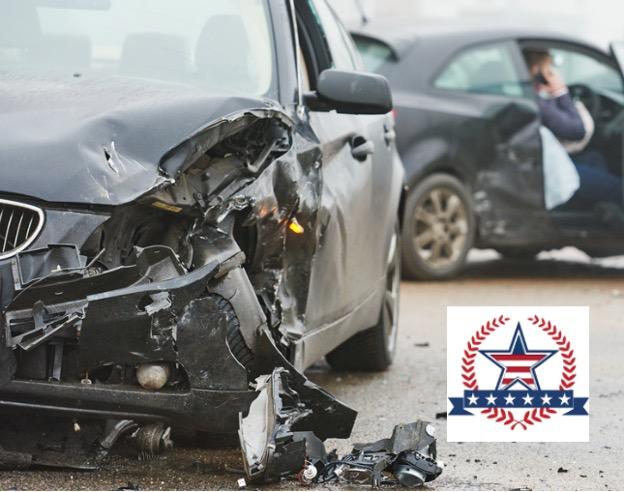
In Georgia, drivers involved in certain accidents have statutory duties to stop, render aid, exchange information, and notify law enforcement. A driver who skips any of these steps may face criminal charges. One common charge is called failure to report an accident.
One call to (404) 567-5515, at any hour, connects you with our criminal defense law firm for a FREE attorney consultation with a co-author of Georgia’s leading law book on Georgia DUI laws. We answer 24 hours a day.
So is it illegal to not report a car accident? The answer depends on the circumstances. Under Georgia law, drivers must give notice to the local police department, county sheriff, or state patrol when an accident results in injury, death, or property damage of $500 or more. A separate statute requires drivers to stop at the scene, exchange information, and render reasonable assistance to anyone who is injured.
This article explains when Georgia law requires you to report an accident. It also covers the penalties for failure to report and how criminal defense attorneys generally approach these cases. Outcomes depend on the specific facts, so anyone facing a charge should consult an attorney.
When Georgia Law Requires You to Report an Accident
Georgia law does not require a report for every fender-bender. The duty to report kicks in under specific conditions.
Under Georgia law, drivers must immediately notify law enforcement by the quickest means of communication when an accident results in injury, death, or property damage to an apparent extent of $500 or more.
Where the report goes depends on location. If the accident happens within a municipality, the driver must contact the local police department. If it happens outside a municipality, the driver must contact the county sheriff's office or the nearest Georgia State Patrol office.
Georgia law also carves out an important exception. Under Georgia law, a driver involved in certain single-vehicle accidents with no personal injury and no involvement of a second party or a second party's property has no duty to stop or immediately report, and no such driver may be prosecuted for that failure to stop or report.
A single-vehicle accident where no one is hurt and no one else's property is damaged generally falls outside the reporting requirement.
However, Georgia law notes an important limit. This exception does not eliminate any separate duty to file a written report that a local law enforcement agency may require.
Private-property accidents in parking lots or driveways can complicate the analysis, because where these rules of the road apply is itself set by statute. The duty to stop, exchange information, and render aid applies on the highways, in all parking areas, and in all areas customarily open to the public, including within 200 feet of those places. The duty to report an accident to law enforcement follows the general rule for this chapter, which reaches the highways and privately owned parking lots or shopping centers customarily used by the public as through streets. Where the accident happened can therefore decide which duty applied.
Failure to Report vs. Hit and Run: What's the Difference?
People often confuse these two charges, but they address different conduct.
Failure to report typically refers to not notifying law enforcement as required under Georgia law. The driver may have stopped at the scene and exchanged information but never called police.
Hit and run – more precisely called leaving the scene of an accident – is governed by Georgia law. This statute requires a driver to stop immediately. The driver must provide their name, address, and vehicle registration number. The driver must also exhibit their license on request, if it is available, and render reasonable assistance to anyone who is injured. Where an injured person is unconscious, appears deceased, or is otherwise unable to communicate, the driver must make every reasonable effort to see that emergency medical services and local law enforcement are contacted. The driver must remain at the scene until these requirements are met. A driver who knowingly leaves the scene without doing these things faces a hit-and-run charge.
The two charges can overlap. A driver who leaves the scene often also fails to report. But each offense has distinct elements. A person could comply with the duty to stop and exchange information yet still violate the duty to notify law enforcement.
The severity gap is significant. When an accident is the proximate cause of death or serious injury, knowingly leaving the scene is a felony. Conviction carries one to five years in prison. When the accident causes a non-serious injury, or damage to a vehicle that was being driven or attended by a person, leaving the scene is a misdemeanor. But the mandatory minimum fines are substantial and cannot be suspended or probated. Colliding with an unattended vehicle falls under a separate rule: the driver must stop and either notify the owner or leave a written notice on the vehicle struck, and failing to do so is a misdemeanor.
Criminal Penalties for Failure to Report an Accident in Georgia
Which penalties apply depends on which statute is charged and on the severity of the accident.
Failure to give the required notice (misdemeanor). The rules of the road make it a misdemeanor to fail to perform an act the chapter requires, and the accident-notice requirement carries no separate penalty of its own. Georgia's general misdemeanor punishment is a fine of up to $1,000, confinement for up to 12 months, or both, and that punishment may be suspended or probated.
Leaving the scene involving death or serious injury (felony). Under Georgia law, knowingly leaving the scene causing death or serious injury is a felony. Conviction carries imprisonment of not less than one year nor more than five years.
Leaving the scene involving non-serious injury, or damage to a vehicle driven or attended by a person (misdemeanor). Under Georgia law, penalties escalate with repeat offenses within a five-year window:
- First conviction: A fine of not less than $300 nor more than $1,000. Imprisonment for up to 12 months may also apply. The fine cannot be suspended, stayed, or probated.
- Second conviction within five years: A fine of not less than $600 nor more than $1,000, which cannot be suspended, stayed, or probated. Imprisonment for up to 12 months may also apply. Nolo contendere pleas count as prior convictions.
- Third or subsequent conviction within five years: A fine of $1,000, which cannot be suspended, stayed, or probated. Imprisonment for up to 12 months may also apply.
The judge may order the fine paid in installments if paying it would impose an economic hardship on the defendant.
License consequences. Under Georgia law, the Georgia Department of Driver Services must suspend the license of any driver convicted of hit and run or leaving the scene. The suspension period is determined by the department for the term authorized by law. That mandatory suspension follows a conviction for leaving the scene, not the separate duty to give notice of an accident. For commercial driver's license holders, a conviction could have career-ending consequences.
Beyond the criminal penalties, a conviction creates a permanent criminal record. This may affect employment prospects, insurance rates, and professional licensing. Penalties depend on the facts, the driver's prior record, and prosecutorial discretion.
Common Defenses to a Failure to Report Charge
Defense strategies in these cases generally focus on the elements the state must prove. Several themes arise regularly.
Lack of knowledge that an accident occurred. Georgia's hit-and-run statute requires that the driver "knowingly" failed to stop. If a driver was genuinely unaware that contact occurred, this element may not be met. A minor sideswipe in heavy traffic is an example. Dashcam footage, vehicle damage analysis, and witness statements can support this defense.
The accident did not meet the reporting threshold. Under Georgia law, the duty to report applies when property damage reaches an apparent extent of $500 or more. It also applies when injury or death is involved. If the damage was clearly below that threshold and no one was hurt, the reporting duty may not have been triggered. Repair estimates and photographs taken near the time of the accident are key evidence.
The driver did report or attempted to report. Sometimes a driver contacts law enforcement but the report is lost, misfiled, or handled by the wrong agency. Phone records, call logs, and dispatch records can show that a good-faith attempt was made.
Emergency or incapacity. A driver who was injured in the accident and transported by ambulance may have been physically unable to report immediately. Medical records and EMS reports can document this.
Identity disputes. The state must prove the accused was the driver. In cases involving unoccupied parked vehicles, surveillance footage gaps, or multiple vehicle occupants, identifying the actual driver may be difficult.
Procedural and evidentiary weaknesses. Law enforcement must follow proper procedures in investigating and charging these cases. Gaps in the chain of evidence, missing body-camera footage, or inconsistent witness statements may weaken the state's case.
What to Do If You're Charged With Failing to Report an Accident
A failure to report charge – even as a misdemeanor – carries real consequences. Taking the right steps early matters.
Do not discuss the case with investigators without an attorney present. Anything you say can be used against you. Politely invoke your right to counsel.
Preserve evidence. Save any photos, text messages, GPS data, or dashcam footage from the time of the accident. This evidence can disappear quickly.
Gather witness information. If anyone was with you in the vehicle, get their contact information. Passengers can provide critical testimony about what happened and what you knew.
Request records. Ask for a copy of the accident report, any body-camera footage from the responding or investigating officers, and dispatch or call logs.
Attend every court date. Missing a court appearance can result in a bench warrant and additional charges. Cases involving traffic-related misdemeanors are typically prosecuted in Georgia state court or in municipal and recorder's courts, depending on the arresting agency.
This article provides general legal information, not legal advice. Outcomes depend on the specific facts of each case, and anyone facing charges should consult a qualified attorney.
Frequently Asked Questions About Failure to Report an Accident
Is Failing to Report a Minor Car Accident a Crime in Georgia?
A failure to report a minor car accident may be a crime. Under Georgia law, the duty to report applies when an accident results in injury, death, or property damage of $500 or more. If the accident falls below that threshold and involves no injuries, the reporting duty may not apply. However, Georgia law preserves any separate written-report duty a local agency requires. Consult an attorney to evaluate your specific situation.
How Long Do I Have to Report a Car Accident to Police in Georgia?
Under Georgia law, drivers must notify law enforcement immediately, by the quickest means of communication. The statute does not set a specific hour or day deadline. What counts as immediate depends on the circumstances – such as whether the driver was injured or had access to a phone.
What Happens If I Did Not Know I Was in an Accident?
Lack of knowledge can be a defense. Under Georgia's leaving-the-scene statute, the state must prove the driver "knowingly" failed to stop. If you genuinely did not realize contact occurred, that element may not be satisfied. Evidence such as dashcam footage, the nature of the damage, and traffic conditions could support your position.
Can I Lose My License for Failing to Report an Accident in Georgia?
A conviction for leaving the scene of an accident triggers a mandatory license suspension by the Georgia Department of Driver Services. The suspension period is determined by the department for the term authorized by law. That mandatory suspension follows a leaving-the-scene conviction, not the separate duty to give notice of an accident. Points are also assessed for convictions under Georgia's rules of the road, and the commissioner must suspend the license of a driver who accumulates 15 or more points in any 24-month period.
Do I Have to Report a Single-Car Accident With No Injuries in Georgia?
Generally, no. Under Georgia law, a driver involved in certain single-vehicle accidents with no personal injury and no involvement of a second party or a second party's property has no duty to stop or immediately report, and no such driver may be prosecuted for that failure. That said, local law enforcement agencies may still require a written report. The reporting exception expressly does not abrogate or affect that separate written-report duty.
Speak With a Georgia Criminal Defense Attorney About Your Failure to Report Case
A failure to report charge may seem minor, but the consequences are real. A conviction could mean a fine, jail time, a permanent criminal record, and higher insurance rates, and a leaving-the-scene conviction also carries a mandatory license suspension. These outcomes can follow you for years.
Early involvement of a defense attorney is important. An attorney can examine the evidence, challenge the state's proof, and work toward a favorable resolution. This may mean getting charges reduced, negotiating an alternative disposition, or preparing for trial.
Defendants facing a failure to report charge or a related traffic offense in Georgia should contact Kohn & Yager LLC. We offer confidential consultations. Every case is different, and the outcome depends on the specific facts and circumstances involved.