- Free Consultation, Call 24/7: (404) 567-5515 Tap Here To Call Us




Following Too Closely Ticket in Georgia: Cost, Points, and How to Fight It


What Is a Following Too Closely Ticket in Georgia?
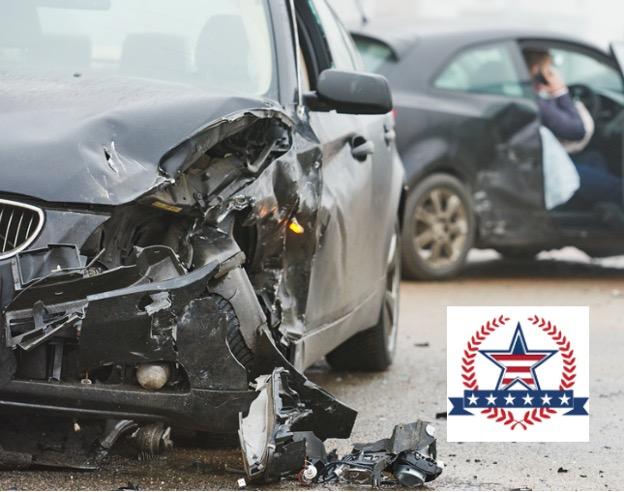
A following too closely ticket is a moving violation under Georgia law. It charges a driver with failing to keep a safe distance behind the vehicle ahead. Under Georgia law, a driver must not follow another vehicle more closely than is reasonable and prudent. The statute does not set a fixed car-length rule. Instead, it relies on a "reasonable and prudent" standard.
In practice, officers and courts often measure safe distance using the two- to three-second rule. You pick a fixed point on the road. Note when the lead vehicle passes it. Count the seconds until you reach the same point. Anything under two seconds in normal conditions is generally considered too close.
This violation is one of the most common causes of rear-end collisions in Georgia. Officers issue the citation in several situations. They may cite you after observing tailgating behavior. They may also cite you at the scene of a rear-end crash. Or they may cite you based on the assumption that the trailing driver was following too closely. Under Georgia law, vehicles approaching from the rear any vehicle "stopped or slowed to make a lawful turn" are deemed to be following for purposes of this statute.
Because Georgia law classifies violations of Chapter 6 as misdemeanors unless otherwise specified, a following too closely ticket carries potential criminal defense penalties. This includes fines and points in addition to the base charge.
How Much Is a Following Too Closely Ticket?
One of the first questions drivers ask is the cost of a following too closely ticket. Georgia does not set a single statewide fine for this offense. The total cost depends on the court, the county, and several mandatory add-ons.
Base fine: No Georgia statute sets a fine for following too closely, so the base amount comes from each court’s own fine schedule and varies by jurisdiction. Municipal courts in cities like Atlanta, Marietta, and Savannah may set different base amounts than State Court or Superior Court in the same county. Under Georgia law, misdemeanor traffic offenses carry a maximum possible fine of $1,000. Courts rarely impose the maximum for a first-offense following too closely ticket.
Additional court costs: On top of the base fine, expect mandatory surcharges. These can push the total well above the base fine. Typical add-ons include a state surcharge, county surcharge, court technology fee, victim assistance fee, and sometimes a brain and spinal injury fund fee. The surcharges are not optional. Most are fixed by statute or by the court’s fee schedule rather than set case by case.
Georgia’s enhanced work zone and school zone fines apply to speeding violations, not to following too closely. The exact total depends on the specific court handling your case. Drivers should not assume the amount printed on the citation reflects the full cost. Insurance increases and potential lost income make the true expense much larger.
How Many Points Is Following Too Closely on a Georgia License?
Following too closely is a 3-point violation on a Georgia driver's license under the Department of Driver Services point schedule. Understanding points matters because they accumulate and trigger serious consequences.
Georgia suspends a driver's license when 15 or more points accumulate within a 24-month period. Three points from a single ticket may not seem severe. But they add up quickly if you already have points from previous violations. A speeding ticket and a following too closely conviction in the same year could put you halfway to the threshold.
The consequences vary by driver category:
- Standard adult drivers face the 15-point suspension threshold. A 3-point violation is manageable on its own but dangerous in combination with other recent tickets.
- Commercial Driver's License holders face heightened scrutiny. A following too closely conviction goes on the commercial driving record. It may trigger employer discipline or affect commercial driver qualification, especially if the violation occurred in a commercial vehicle.
- Drivers under 21 face stricter rules. Georgia suspends a young driver's license for any single conviction carrying 4 or more points. While following too closely at 3 points falls just below that single-offense trigger, a driver under 18 who reaches 4 points in any 12-month period faces suspension.
Georgia offers two ways to keep points off your record. Completing a defensive driving course approved by the Department of Driver Services and submitting the certificate reduces your accumulated points by seven. That is more than enough to cancel out the 3 points from a following too closely conviction. This reduction is available one time only in any five-year period. Separately, if the court accepts your attendance at an approved driver improvement clinic before your court date, no points are assessed and the court reduces your fine by 20 percent.
Insurance and Long-Term Consequences
The indirect costs of a following too closely conviction often exceed the ticket itself. A conviction is a moving violation that appears on your motor vehicle record. Insurance companies pull your motor vehicle record at renewal and use it to set premiums.
Premium increases after a moving violation are common, and the size of the increase varies by insurer. Those higher rates can persist for several years. The increase is even steeper when the violation is tied to an at-fault rear-end collision. Insurers view accident-linked violations as stronger predictors of future claims.
Employment consequences can be significant for certain drivers. Commercial driver's license holders may face employer discipline, route reassignment, or termination. Rideshare and delivery drivers working for companies like Uber, Lyft, or DoorDash must meet platform driving record standards. A moving violation – especially one connected to a collision – could result in deactivation from the platform.
Drivers who ignore the ticket face additional problems. Failing to appear in court or pay the fine can result in a separate failure-to-appear charge. A license suspension unrelated to the point system may follow. That suspension requires reinstatement fees and may involve additional court appearances.
Following Too Closely Tickets After an Accident
When a rear-end collision occurs, the responding officer frequently issues a following too closely ticket to the trailing driver. Officers and insurers often treat the trailing driver as at fault, but Georgia law creates no automatic presumption of negligence in a rear-end collision. Officers often write the citation at the scene based on vehicle positioning and statements. Sometimes they do so without extensive investigation.
This creates a critical intersection between traffic court and civil liability. A guilty plea to the ticket – which happens when you simply pay it – can be used against you in a personal injury lawsuit. The at-fault driver who pleads guilty to following too closely hands the injured party strong evidence of negligence.
A nolo contendere plea offers some protection. Under Georgia law, a nolo plea cannot be used against the defendant in any other court or proceedings as an admission of guilt or otherwise or for any purpose. A nolo plea requires the judge's consent and approval. Georgia limits its protective benefit to once every five years for point-avoidance purposes.
Georgia follows a comparative negligence standard. The front driver's conduct matters too. Sudden and unexplained stops, brake-checking, non-functioning brake lights, or an unsafe lane change that cut off the trailing driver can shift or reduce fault. These defenses are harder to raise if you have already pleaded guilty to the traffic charge.
If a collision was involved, do not simply pay the ticket. The consequences extend far beyond the fine and points.
How to Fight a Following Too Closely Ticket
Drivers who want to fight a following too closely ticket or get it dismissed have several options. The first decision is whether to pay the ticket or appear in court. Paying the ticket is a guilty plea. It adds 3 points to your license and creates a conviction on your record.
Appearing in court opens the door to several defense strategies. These approaches rely on the prosecution's burden to prove the driver violated the "reasonable and prudent" standard:
- Challenging the officer's vantage point. The officer must have had a clear view to estimate following distance. Obstructed sight lines, heavy traffic, or poor lighting can undermine the observation.
- Sudden stops by the lead vehicle. If the front driver stopped abruptly and without warning, the trailing driver may not have violated the reasonable-distance standard.
- Mechanical failure of the lead vehicle. Non-functioning brake lights on the front vehicle can eliminate the rear driver's ability to react in time.
- Unsafe lane changes. When another vehicle cuts into your lane and immediately slows, the safe following cushion disappears through no fault of your own.
- Weather and road conditions. Wet roads, fog, or construction debris may have made normal following distances impractical despite the driver's best efforts.
Georgia traffic courts regularly negotiate resolutions short of a full conviction. Common outcomes include reduction to a non-moving violation that carries no points. Another option is a nolo contendere plea with the judge's approval. You can also complete a defensive driving course as a condition of a reduced sentence. Outright dismissal is possible when the state cannot meet its burden. Under Georgia law, judges have broad discretion to order defensive driving courses or probation in traffic misdemeanor cases.
Should You Hire a Lawyer for a Following Too Closely Ticket?
Whether legal representation makes sense depends on your individual circumstances. Several factors increase the stakes:
- You already have points on your license and are approaching the 15-point threshold.
- You hold a commercial driver's license and cannot afford a moving violation on your commercial record.
- The ticket was issued after an accident, especially one involving injuries.
- You drive for a living or for a rideshare or delivery platform.
- You are under 21 and face stricter point consequences.
- You have used your nolo contendere plea or defensive driving point reduction within the past five years.
Attorneys who handle Georgia traffic cases often appear in court on the client's behalf. This means the driver does not need to take time off work or travel to the courthouse. Nolo pleas, reductions to non-moving violations, and dismissals are more accessible when negotiated by counsel familiar with the specific court and prosecutor.
An attorney can evaluate defenses that a driver might not recognize. An attorney can review the officer's report for weaknesses. An attorney can advise on the strategy that fits the driver's record and the court's tendencies. Results depend on the facts of each case, the court, and the driver's history.
Frequently Asked Questions
How Much Is a Ticket for Following Too Closely in Georgia?
Following too closely ticket cost varies from court to court, because no Georgia statute sets a single fine for this offense. The ticket cost for following too closely depends on the court, the county, and the surcharges added to the base fine. Do not assume the amount printed on the citation is the full amount due.
Is Following Too Closely a Moving Violation in Georgia?
Following too closely is a moving violation under Georgia law. Georgia law classifies violations of Chapter 6 as misdemeanors unless otherwise specified. A conviction adds 3 points to your license and appears on your driving record. Insurance companies treat it the same as other moving violations when calculating premiums.
Can a Following Too Closely Ticket Be Dismissed in Georgia?
A following too closely charge can be dismissed in Georgia. A judge may dismiss the charge if the state cannot prove the driver violated the reasonable and prudent standard. Defense strategies include challenging the officer's observation, presenting evidence of the lead vehicle's sudden stop, or showing an unsafe lane change created the close following distance. An attorney familiar with the court may improve the chances of dismissal or reduction.
Will a Following Too Closely Ticket Increase My Insurance Rates?
A following too closely conviction is a moving violation that appears on your motor vehicle record. Insurers commonly raise premiums after a moving violation, though the amount varies by carrier. The higher rate can last for several years. The increase may be larger if the ticket was connected to an at-fault accident.
What Happens If I Just Pay My Following Too Closely Ticket?
Paying the ticket is a guilty plea. It adds 3 points to your Georgia license and creates a misdemeanor conviction on your record. It may increase your insurance premiums. If an accident was involved, the guilty plea could be used against you in a civil lawsuit. You lose the opportunity to negotiate a reduction, enter a nolo plea, or seek dismissal.
Does a Following Too Closely Ticket Go on Your Record in Georgia?
A following too closely conviction or guilty plea goes on your Georgia driving record. It remains visible to insurers and employers who check your motor vehicle record. The 3 points count against you within the 24-month window Georgia uses to measure point accumulation. You may be able to reduce your points by completing an approved defensive driving course once every five years.
Talk to a Georgia Traffic Ticket Defense Attorney
A following too closely ticket may seem minor. The consequences – points on your license, higher insurance rates, and potential complications if an accident was involved – can add up quickly. Drivers who hold a commercial driver's license, are under 21, already have points on their record, or received a ticket after a collision face even higher stakes.
Kohn & Yager LLC helps Georgia drivers evaluate their options before their court date. A free consultation gives you the chance to review the citation. You can discuss the officer's report. You can understand how the specific court typically handles these cases. Every situation is different. Outcomes depend on the facts and circumstances of your case.
Contact Kohn & Yager LLC to discuss your following too closely ticket before you decide whether to pay, plead, or fight.