- Free Consultation, Call 24/7: (404) 567-5515 Tap Here To Call Us




Triple 0 Breathalyzer Results: What They Mean in a Georgia DUI Case


What Is a Triple 0 Breathalyzer Reading?

A triple 0 breathalyzer result is a reading of 0.000. In plain terms, the machine found no alcohol at all in the driver's breath at the time of the test.
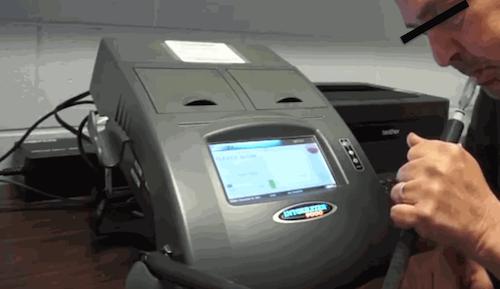
Georgia law enforcement agencies typically use the Intoxilyzer 9000 for roadside and station breath testing. The machine reports blood alcohol concentration to three decimal places. When the screen reads 0.000, officers and prosecutors call it a "triple zero" result.
Drivers who see a triple 0 breathalyzer result often assume the DUI investigation is over. That assumption can be dangerous. A triple zero reading proves one thing only: no alcohol. It says nothing about drugs. Street drugs, prescription medication, and even over-the-counter drugs are each a separate concern. An officer trained to recognize drug impairment may continue the investigation after the device returns all zeros.
You may also hear this called a triple zeros breathalyzer result. The meaning does not change. The breath test found no alcohol in the sample.

Can You Still Be Charged With DUI After a Triple 0 Breathalyzer?
Yes. A driver can be charged in Georgia even after blowing 0.000. Georgia's DUI statute covers far more than alcohol.
Under Georgia law, driving under the influence of alcohol, drugs, toxic vapors, or any combination of them is prohibited. The law applies when the substance makes a person "less safe" to drive. The statute draws no distinction between street drugs and lawful prescription medication. A driver who takes a sedating prescription and then drives can face the same charge as someone who used an illegal drug.
A triple 0 breath test eliminates alcohol from consideration. It does not eliminate drug impairment. When an officer sees signs of impairment but the machine reads 0.000, the investigation often shifts to a DUI-drugs theory.
At that point, the officer may take several steps. Under Georgia's implied consent law, the officer can request a state-administered blood or urine test. The officer may also call a Drug Recognition Expert to the scene. Those steps let the state build a drug case even though the breath test came back clean.
Why Officers Sometimes Pursue DUI Charges Despite a 0.000 Result
Officers are trained to evaluate the full circumstances. They do not rely on the breath test number alone. Several factors may lead an officer to continue an investigation after a triple zero result.
Common impairment signs include bloodshot or watery eyes, slurred speech, and poor coordination during field sobriety tests. Officers also note constricted or dilated pupils, along with unusual behavior during the traffic stop.
Officers write down whether the driver admitted taking medication or any other substance. They note whether prescription bottles or drug paraphernalia are visible in the vehicle. They also note whether a traffic collision led to the stop.
Georgia's "less safe" standard for DUI-drugs cases does not require a specific measurable amount in the driver's system. Alcohol cases are different. There, the state can charge a driver whose breath or blood alcohol level is 0.08 or more. That is a per se charge. DUI-drugs cases rest on proof that the drug impaired the driver's ability to operate the vehicle safely. That is a subjective standard. Officers build the case on what they saw, on the field sobriety tests, and on chemical test results that come later.
In an alcohol-only case, a 0.000 breath result ends the matter. The state cannot prove drinking when the machine found none. DUI-drugs cases work another way. They can proceed on the officer's observations plus a blood or urine screen that confirms an impairing substance.

How a Triple 0 Result Can Support Your DUI Defense
A 0.000 breath result has real value to the defense. That holds true even when the state pursues a DUI-drugs theory.
First, it flatly rebuts the DUI-alcohol per se count. Under Georgia law, that count requires proof of a breath or blood alcohol level of 0.08 or more. A triple zero reading makes it impossible to prove.
Second, it undermines officer testimony about alcohol-related impairment. If the officer wrote that he smelled alcohol, or blamed the slurred speech on beer, a 0.000 result says otherwise. Defense attorneys use that gap to challenge the officer's credibility and the reliability of the entire investigation.
Third, a clean breath test can weaken the basis for a later blood draw. If the officer leaned on suspected drinking to justify the arrest and more testing, the triple zero result removes that justification. That opens the door to a motion to suppress the blood results. Whether a breathalyzer is admissible in court comes up as well when the test itself is in dispute.
Defense attorneys also use triple zero readings in plea negotiations. When the state cannot prove drug impairment through blood work, the prosecutor may agree to a lesser charge. That is most likely when the lab results are slow or disputed. One common deal is a plea to reckless driving. That charge carries fewer long-term consequences than a DUI conviction.
What Happens Next: Blood Tests, DRE Evaluations, and Drug DUI Cases
When a driver blows 0.000 but the officer still suspects drugs, the investigation typically follows a predictable sequence.
The officer may read the implied consent notice again. This time the officer requests a state-administered blood or urine test. The driver is then transported to a medical facility or to the station for sample collection. If the driver says no, the officer can seek a warrant for the blood.
In many Georgia cases, the officer also calls for a Drug Recognition Expert. These are officers with specialized training in identifying drug impairment. They perform a 12-step evaluation to identify which category of drug may be involved. The evaluation covers vital signs and eye examinations. It also covers muscle tone. The officer then conducts a structured interview and forms an opinion about impairment.
Blood and urine samples are sent to the GBI Crime Lab for analysis. Turnaround times vary. Results often take weeks or months. During that wait, the prosecutor may hold off on formal charges. Or the state may file a first charge and amend them once the laboratory results arrive.
That waiting period matters. Drivers who blew 0.000 sometimes assume nothing will come of it. They delay hiring an attorney. That delay can be costly. Early involvement lets a defense attorney preserve the dash-cam and body-cam video. An attorney can challenge how the blood draw was performed. An attorney can check whether the drug officer followed the required protocol. An attorney can file motions on time, before evidence fades or disappears.

Speak With a Georgia DUI Defense Attorney About Your Case
If you blew a triple 0 on a breathalyzer and were still arrested, or you are still under investigation in Georgia, do not assume the case is simple. Two things are true at once. A clean breath test helps your defense. But it does not mean the case goes away on its own.
Georgia DUI cases move on tight deadlines. Under Georgia law, a request for an administrative license suspension hearing must be filed within 30 days of the arrest date. Miss that window and your license can be suspended on its own, no matter how the criminal case turns out.
Early involvement of a defense attorney can shape how the case is charged. It can also decide whether drug claims move ahead at all. An attorney can review the officer's report. An attorney can weigh whether probable cause existed for the arrest and the blood draw. An attorney can attack the drug officer's findings if one was called.
Every case turns on its own facts. This article gives general information, not legal advice. Contact Kohn & Yager LLC for a free consultation about your Georgia case.

Frequently Asked Questions
What Does a Triple 0 Breathalyzer Reading Mean?
A triple 0 reading means the breath testing device – most often the Intoxilyzer 9000 in Georgia – showed a result of 0.000. No alcohol was found in the driver's breath sample at the time of the test.
Can I Be Arrested for DUI in Georgia if I Blow 0.000?
Yes. An arrest can happen even with a 0.000 breath result. Under Georgia law, driving under the influence covers drugs, toxic vapors, and other substances, not just alcohol. An officer who observes signs of drug impairment may still make an arrest after a clean breath test.
Why Did the Officer Ask for a Blood Test After I Passed the Breathalyzer?
A breath test detects only alcohol. When an officer suspects drug impairment, he requests a blood or urine test. Those methods can identify drugs that a breath testing device cannot. Georgia's implied consent law lets an officer ask for them.
Does a Triple Zero Breathalyzer Result Get My Georgia DUI Dismissed?
A 0.000 result does not get a Georgia DUI dismissed on its own. It does eliminate the alcohol per se count. The state may still pursue a DUI-drugs case built on the officer's observations and the blood test results. A clean breath test strengthens the defense and can help in plea negotiations.
What Is a Drug Recognition Expert and Why Was One Called to My Stop?
A Drug Recognition Expert is an officer with specialized training in identifying drug impairment. These officers perform a 12-step evaluation covering eye examinations, vital signs, and muscle tone. An officer calls one in when he suspects drug impairment but the breath testing device shows no alcohol.