TOP-RATED
Atlanta Criminal Defense
Law Firm
Atlanta Criminal Defense
Law Firm




The Second Amendment protects the right of all US citizens to keep and bear arms. Everyone who owns a gun must still comply with applicable state law. Georgia has many rules and restrictions on the sale, transportation, and use of firearms. Violating those rules can carry serious consequences.

To carry a handgun outside your own home, you may apply for a Georgia Weapons Carry License (WCL) at your local courthouse. If your WCL request was denied or pulled in error, our Atlanta gun lawyers can help you appeal the probate court ruling and protect your legal right to defend yourself. En Español.
Atlanta gun lawyers handle many matters tied to lawful firearm ownership. They can assist in difficult situations. That includes criminal charges involving the discharge of a weapon.
Georgia is a shall issue state. Any individual who meets the legal requirements should receive a WCL upon application. Even so, an attorney who understands gun ownership laws can help you obtain a license. There are many ways to become disqualified from carrying a firearm in Georgia. A simple misunderstanding of gun law can lead to a criminal charge.
A firearm in any encounter with law enforcement can raise the stakes fast, even one you own lawfully. If you face charges tied to purchasing or carrying a gun in Atlanta, you need an attorney who understands this specific area of law. An experienced gun attorney will work to protect your Second Amendment rights.
Georgia gun law sits in Title 16, Chapter 11, Article 4 of the Georgia Code. That part of the Code covers lawful firearm ownership and carrying. It also covers many criminal charges involving firearms.
In Georgia, you may own and keep a firearm in your home or place of business. Carrying a handgun beyond your own property is where the rules tighten. A Georgia Weapons Carry License lets you carry a concealed weapon on your person in public.
Failure to present a valid hunting license or carry license while carrying a gun in Georgia can carry criminal consequences. That is typically a misdemeanor offense. Deliberately altering a valid weapons license is a felony, punishable by imprisonment for one to five years.
To obtain a WCL, you apply to the probate court in the county where you reside. Georgia is a shall issue state. Georgia residents who are not legally disqualified from carrying a concealed weapon shall be issued a WCL upon completing an application.
A concealed carry violation occurs when a person carries a concealed handgun in a way Georgia law prohibits. That can mean carrying without a valid WCL. It can mean carrying in a location where firearms are banned. Or it can mean carrying while legally disqualified from possessing a weapon.
Under Georgia's carrying a weapon statute, no person may carry a weapon unless he or she is a "lawful weapons carrier." The statute still lets you keep a weapon on your own property, in your home, in your car, or at your place of business. Georgia's constitutional carry law now treats anyone who is eligible for a Georgia carry license as a lawful weapons carrier. Before that law took effect, you had to hold the license itself.
Constitutional carry does not cover everyone. Convicted felons, individuals under felony indictment, minors, individuals subject to a protective order, and others prohibited from possessing firearms can still be charged. For them, a concealed carry violation remains a serious criminal offense.
Lawful weapons carriers can commit a concealed carry violation too. Bringing a firearm into an off-limits location is against the law. Georgia law names the locations where weapons are prohibited regardless of license status. Carrying in one of those locations can bring misdemeanor or felony charges, depending on the circumstances.
An application for a WCL will be denied if any of the following apply to you:
Under Georgia's Weapons Carry License statute, the probate court judge must investigate each applicant's background before issuing or denying a WCL. The judge reviews criminal history records. The judge may deny the application based on any disqualifying condition listed above.
If your WCL application is denied, you have the right to appeal. You file that appeal with the same probate court. An attorney familiar with WCL eligibility disputes can review the stated reason. The attorney can gather supporting documents and present your case at a hearing.
A concealed carry charge often triggers a close review of a person's background. Even with no prior denial, an arrest for carrying without a license may reveal a disqualifying condition. An older controlled substance conviction could block a future WCL application.
Lawful weapons carriers must still follow Georgia's restrictions on where a firearm may go. A concealed carry violation in a prohibited location can bring criminal charges and revocation of your WCL.
Under Georgia's unauthorized locations statute, carrying a weapon or long gun in these places is a misdemeanor:
Georgia treats school grounds as a class of their own. Under Georgia's school safety zone law, it is a crime to carry a weapon in a school safety zone, at a school function, or on a school bus. A lawful weapons carrier who breaks that rule commits a misdemeanor. A person who is not a lawful weapons carrier faces a felony, with two to ten years in prison, a fine of up to $10,000, or both.
Federal rules add one more layer on top of state law. Carrying a firearm into the secure part of an airport can bring a federal charge. Federal buildings, which include post offices and federal courthouses, also ban guns no matter what state permit you hold.
Private property owners in Georgia may post signs that ban guns on their land. Ignoring a posted sign may not always be a crime by itself. It can still lead to a trespass charge if you refuse to leave when asked.
A concealed weapon defense attorney handles every stage of a weapons case. That runs from the initial arrest through trial or resolution. If you face a concealed carry charge in Atlanta, an Atlanta concealed carry violation lawyer who understands Georgia firearms law can make a meaningful difference in the outcome.
The defense process typically begins with a thorough review of the arrest report. Body camera footage and witness statements receive the same review. Many weapons cases turn on how the firearm was discovered. If officers lacked probable cause for the stop, or the search exceeded its lawful scope, your attorney may move to suppress the firearm as evidence.
In Fulton County State Court and Atlanta Municipal Court, weapons cases move through set dockets. An attorney familiar with these courts understands the local procedures. The attorney knows the prosecutors who handle weapons offenses. The attorney knows what options may be available. Depending on the circumstances, a defense attorney may negotiate for reduced charges, pretrial diversion, or a dismissal.
WCL eligibility disputes require a different approach. When a WCL is denied or revoked because of criminal charges, an attorney can challenge the denial through the probate court appeals process. Protecting your right to carry often means handling the criminal case and the licensing issue at the same time.
Consulting a licensed Georgia criminal defense attorney promptly helps preserve your legal options after a weapons charge.

The penalties for a concealed carry charge in Georgia depend on the specific offense. Your criminal history and the location of the violation matter too.
Under Georgia's carrying a weapon statute, a first offense of unlawful carrying of a weapon is a misdemeanor. A misdemeanor in Georgia can bring up to 12 months in jail and a fine of up to $1,000.
A second offense within five years is a felony, and so is any later offense. The five years run from the date of the earlier arrest to the date of the new one. A felony here carries two to five years in prison.
Carrying a weapon in a prohibited location under Georgia law is generally a misdemeanor. Such locations include courthouses, government buildings, and polling places. Carrying in a school safety zone is treated far more harshly, as set out above.
Federal weapons charges apply when firearms cross state lines. They also apply when a prohibited person possesses a weapon. A firearm taken into a federally restricted area such as an airport can trigger federal charges. Federal prohibited persons, which includes convicted felons and individuals under felony indictment, face prosecution in federal court. Federal law carries its own sentencing guidelines.
Beyond jail time and fines, a weapons conviction can follow you for years. A felony conviction ends your Second Amendment rights and permanently revokes your WCL. Employment prospects may suffer, since many employers conduct background checks. For non-citizens, a weapons conviction could trigger immigration consequences, including deportation proceedings. Even a misdemeanor weapons conviction may affect professional licensing and housing applications.
Several legal defenses may apply in an Atlanta weapons case, depending on the specific circumstances.
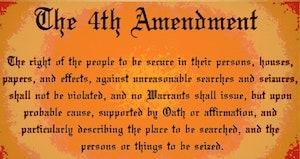
The Fourth Amendment protects against unreasonable searches. When officers discover a firearm during a traffic stop, a Terry frisk, or a vehicle search, the legality of that encounter matters. If the stop lacked reasonable suspicion, or the search exceeded its lawful scope, a court may suppress the firearm as evidence. Without the weapon, the prosecution's case often falls apart.
When a firearm turns up in a shared space, the prosecution must still prove guilt. A shared vehicle with several passengers, or a residence with several occupants, presents this issue. Simply being near a firearm does not establish guilt. The prosecution must show the accused actually possessed or controlled the weapon.
When the accused held a valid WCL at the time of arrest, the charge may lack a legal basis. The accused may also qualify as a lawful weapons carrier under Georgia's constitutional carry provisions. Producing proof of license eligibility can lead to a dismissal.
Georgia's carrying a weapon statute lets a person keep a weapon at home, at a place of business, or in a car. When the alleged violation took place in one of those spots, the charge may not stand.
Under Georgia's justification statute, a person may threaten or use force when he or she reasonably believes it is needed to fend off another person's imminent use of unlawful force. That covers showing a weapon. This defense may apply when a person drew or carried a weapon in the face of a real threat.
A concealed carry violation or weapons charge in Atlanta needs quick attention. Evidence such as body camera footage, dispatch records, and witness statements is easier to preserve when an attorney becomes involved early. Quick action also helps protect your WCL eligibility. It can open the door to suppression arguments that become harder to raise over time.
Kohn & Yager LLC offers free consultations around the clock for anyone facing a gun possession charge, concealed carry violation, or any weapons offense in Atlanta or Fulton County. Every case is different. Results depend on the specific facts involved.

Call today or use the online contact form to speak with a defense attorney about your situation. The sooner you act, the more options may be available to protect your rights and your future.
A person who is not a lawful weapons carrier may not carry a concealed weapon with no WCL. A first offense is a misdemeanor. It can bring up to 12 months in jail and a fine of up to $1,000. A second offense within five years, or any later offense, is a felony that carries two to five years in prison. You should consult a licensed attorney to evaluate the facts of your case.
The answer turns on your legal status. Georgia's constitutional carry law lets anyone who is eligible for a Georgia carry license carry a concealed handgun with no license in hand. However, if you are a convicted felon, under felony indictment, subject to a protective order, or otherwise a prohibited person, constitutional carry does not apply to you. You may still face charges.
Yes. A second conviction within five years for unlawful carrying of a weapon is a felony, and so is any later conviction. It carries two to five years in prison. Carrying in a school safety zone is a felony for anyone who is not a lawful weapons carrier. Federal weapons charges, such as possession by a prohibited person, carry their own felony penalties as well.
Even with a valid WCL, some places are off limits. You may not carry in courthouses. You may not carry in jails. You may not carry in government buildings unless you are a lawful weapons carrier. You may not carry in places of worship unless the governing body allows it. You may not carry in state mental health facilities. You may not carry in nuclear power facilities. You may not carry within 150 feet of a polling place during an election. School safety zones, secure airport areas, and federal buildings are off limits too.
A dismissal may be possible when the evidence was obtained through an unlawful search. It may also be possible when the accused can prove he or she was a lawful weapons carrier. Dismissal is an option too when the prosecution cannot establish actual possession. An attorney reviews the arrest circumstances, files appropriate motions, and negotiates with prosecutors. Every case turns on its own facts, and no outcome can be guaranteed.